


Bitmain Antminer S21 vs S21 Pro vs S21 XP: Which Should You Buy?

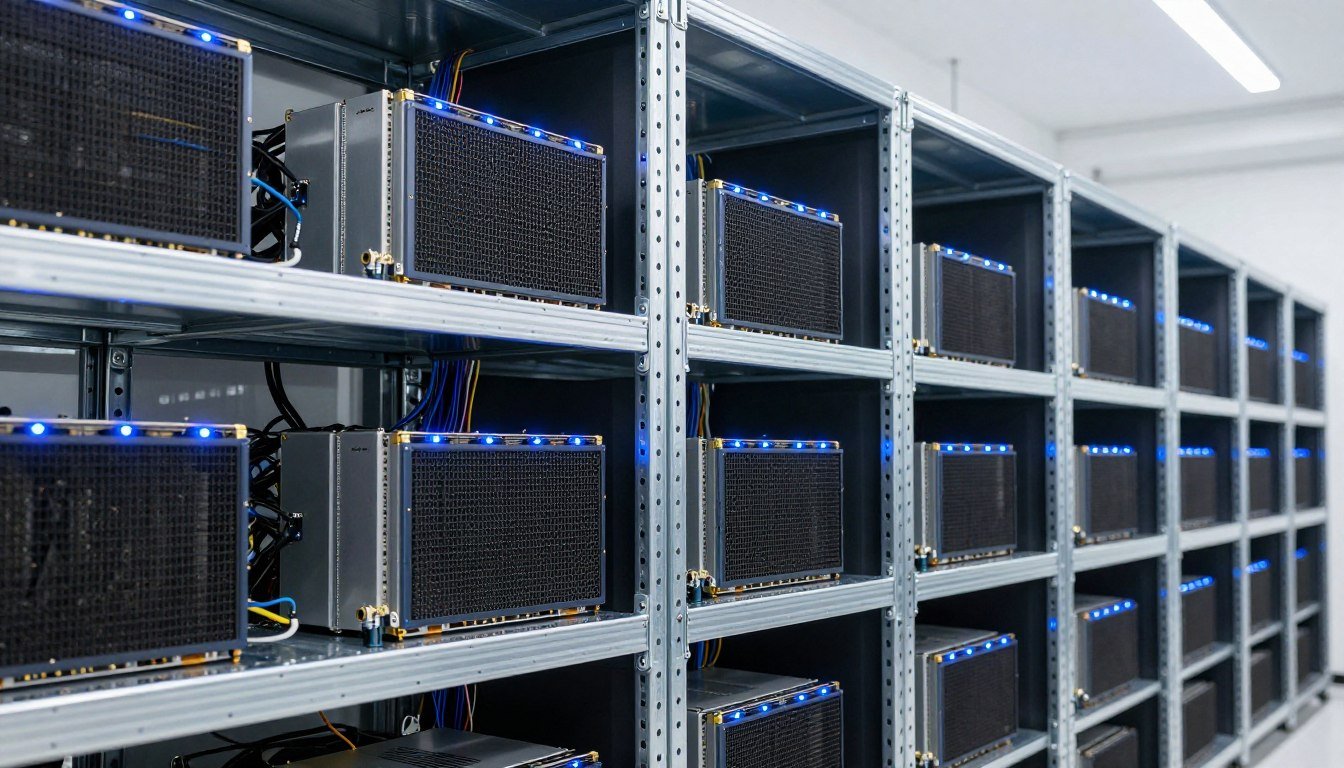
Evaluating the Bitmain Antminer S21 vs S21 Pro vs S21 XP reveals three distinct tiers of SHA-256 ASIC engineering designed around different operating budgets and power costs. All three systems utilize air-cooled enclosures with integrated dual power supplies and high-pressure quad-fan aerodynamics. The decisive selection factor centers on the trade-off between upfront capital expenditure and long-term joules-per-terahash electrical efficiency.
Electrical rates, available circuit amperage, and facility cooling overhead dictate which generation delivers sustainable operational margins. Higher-efficiency silicon lowers the recurring energy bill for every terahash generated, yet demands a higher initial equipment expenditure. Balancing those factors against prevailing network difficulty establishes the most prudent hardware purchase for any mining installation.
Core Architecture and Specifications Across the S21 Lineup
Bitmain built the S21 series to replace aging 7nm and 5nm platforms with denser, thermally optimized computing engines. Each successive iteration refines chip lithography, power supply switching efficiency, and heat sink contact resistance to deliver lower energy draw per computed hash.
Reviewing verifiable factory ratings side by side illustrates the incremental evolutionary steps across the product tier. Nominal ratings provide a standard benchmark, though operating environments introduce real-world variations.
| Metric | Antminer S21 | Antminer S21 Pro | Antminer S21 XP | Operational Context |
| Algorithm | SHA-256 | SHA-256 | SHA-256 | Standard Bitcoin proof-of-work protocol |
| Hashrate | 200 TH/s | 234 TH/s | 270 TH/s | Factory rated compute output |
| Power Draw | 3500 W | 3510 W | 3645 W | Measured at the power supply input |
| Efficiency | 17.5 J/TH | 15.0 J/TH | 13.5 J/TH | Lower figures denote reduced power overhead |
| Voltage Input | 220-277V AC | 220-277V AC | 220-277V AC | Requires single-phase or three-phase distribution |
| Cooling | Air-Cooled | Air-Cooled | Air-Cooled | High-velocity dual front and rear fan configuration |
| Noise Level | 75 dB | 75 dB | 76 dB | Acoustic output at maximum operational fan speed |
Each unit maintains a standardized server chassis profile that matches conventional data center shelving systems. The consistent dimensions across models allow operators to mix units within existing hot-aisle containment infrastructure without modifying mechanical mounting brackets.
Bitmain Antminer S21: Baseline Efficiency and Capital Expense
The standard Antminer S21 serves as the foundational unit for this generation, producing 200 TH/s at an efficiency rating of 17.5 J/TH. It marked a substantial leap over preceding platforms like the S19 series, bringing sub-20 J/TH computing into mainstream commercial deployments.
Equipped with an integrated power supply unit rated for 3500 watts, the base model processes transactions efficiently without requiring exotic sub-ambient cooling systems. Because it has circulated in the market longer than its upgraded siblings, sourcing spare parts, replacement hashboards, and compatible control boards remains straightforward.
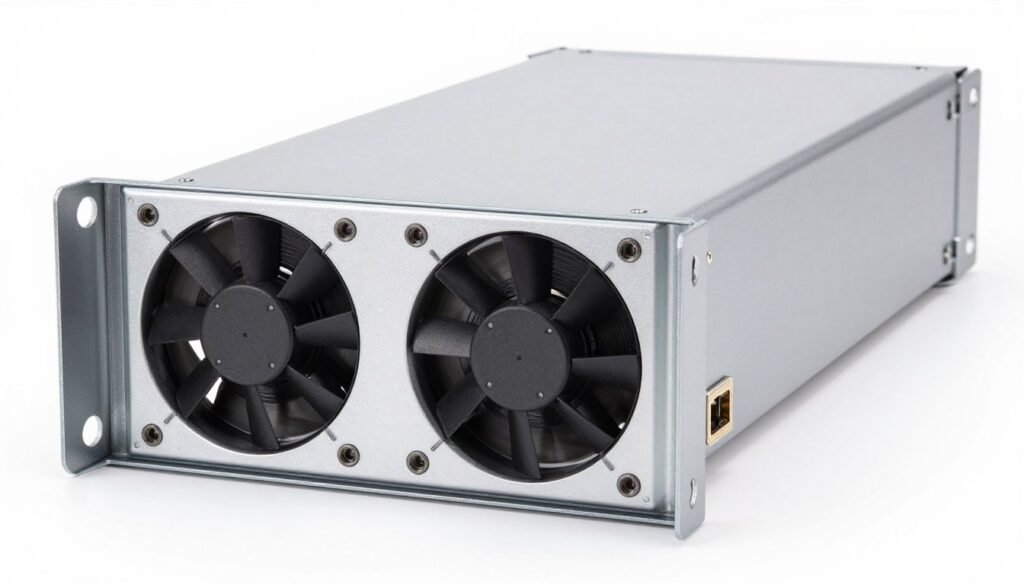
The standard air-cooled chassis integrates front intake fans designed to drive high-velocity airflow across internal hashboards.
Advantages
- Lower initial purchase price per unit compared to newer revisions.
- Broad secondary market liquidity and widely available replacement components.
- Proven operating stability under varied facility ambient conditions.
Limitations
- Lower hashrate density per rack slot than the Pro or XP variants.
- Higher power draw per terahash relative to advanced node models.
- Faster economic obsolescence in regions with rising electricity tariffs.
For operations with stable, low-cost power contracts, the base S21 presents an economical path to accumulating substantial network hashrate. The lower entry cost permits smaller deployments to achieve greater raw terahash volume within tight initial hardware budgets.
Bitmain Antminer S21 Pro: Mid-Cycle Thermal and Chip Refinements
The Antminer S21 Pro increases compute performance to 234 TH/s while keeping energy consumption virtually flat at 3510 watts, pushing rated efficiency to 15.0 J/TH. This gain originates from refined silicon binning and optimized internal thermal conduction pathways across the hashboards.
Internal surface areas on the heat sinks feature redesigned fins that dissipate heat more uniformly across each ASIC package. Consequently, the machine maintains higher clock frequencies without triggering automatic thermal throttling under typical summer operating temperatures.
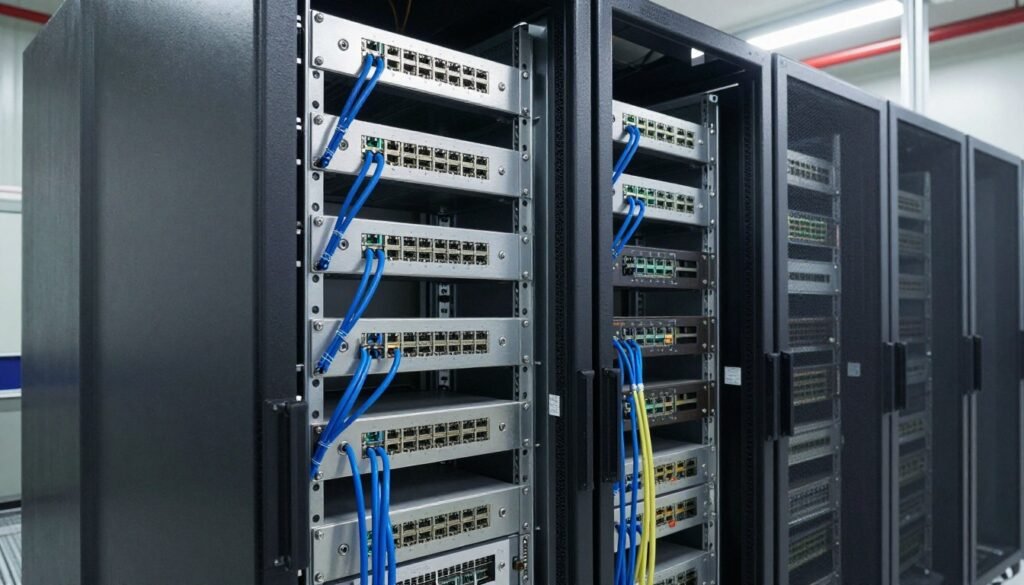
Mid-cycle hardware updates increase computing throughput without expanding the physical chassis footprint.
The S21 Pro delivers seventeen percent more computing power than the standard model for virtually the same total wattage, making it a drop-in upgrade for capacity-constrained electrical circuits.
Commercial facilities operating under strict power caps benefit directly from this architecture. Deploying the Pro variant allows data centers to maximize hash output from existing transformer substations without requiring additional switchgear installations.
Bitmain Antminer S21 XP: Premium Hashrate Density and Advanced Nodes
At the apex of the air-cooled product family sits the Antminer S21 XP, which produces 270 TH/s at a power draw of 3645 watts, achieving an efficiency benchmark of 13.5 J/TH. The unit employs advanced silicon fabrication nodes to pack unprecedented transistor density onto each hashboard.
Producing 270 TH/s in a single chassis provides significant physical space savings in commercial mining structures. Fewer individual machines are needed to reach petahash-scale milestones, which reduces cumulative networking drops, power distribution units, and maintenance touchpoints.
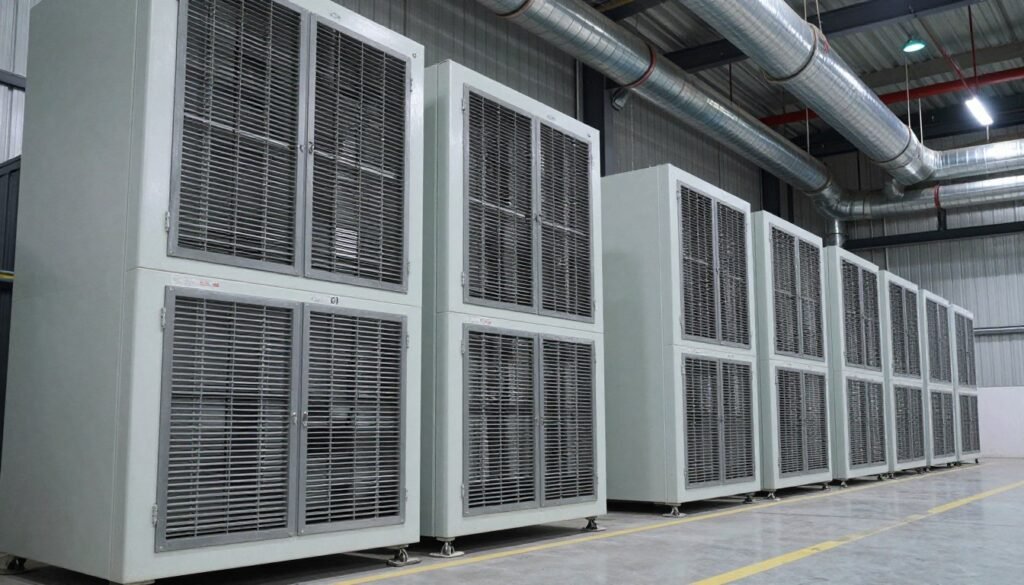
Advanced computing density requires reliable ventilation systems to evacuate concentrated thermal exhaust.
Advanced node chips operate under narrower thermal margins. Operating in ambient intake air above recommended ranges causes internal fan speeds to ramp up, increasing auxiliary power consumption and acoustic strain.
The S21 XP commands a higher retail premium, reflecting its advanced silicon engineering and prolonged resistance to network difficulty increases. It is primarily targeted at commercial entities with institutional funding models and operators facing moderate electricity tariffs.
Electrical Distribution and Operating Voltage Requirements
Operating any machine in this generation requires industrial-grade electrical planning and strict code compliance. All three models operate exclusively on single-phase or three-phase alternating current within the 220-volt to 277-volt bracket, precluding standard 120-volt residential wall outlets.
The integrated power supply units utilize dual C19 or C21 input receptacles to safely deliver over 3500 watts of continuous electrical power. Continuous electrical loads require circuit breakers and supply wiring sized to handle continuous duty cycles without overheating conductors or tripping protection devices.
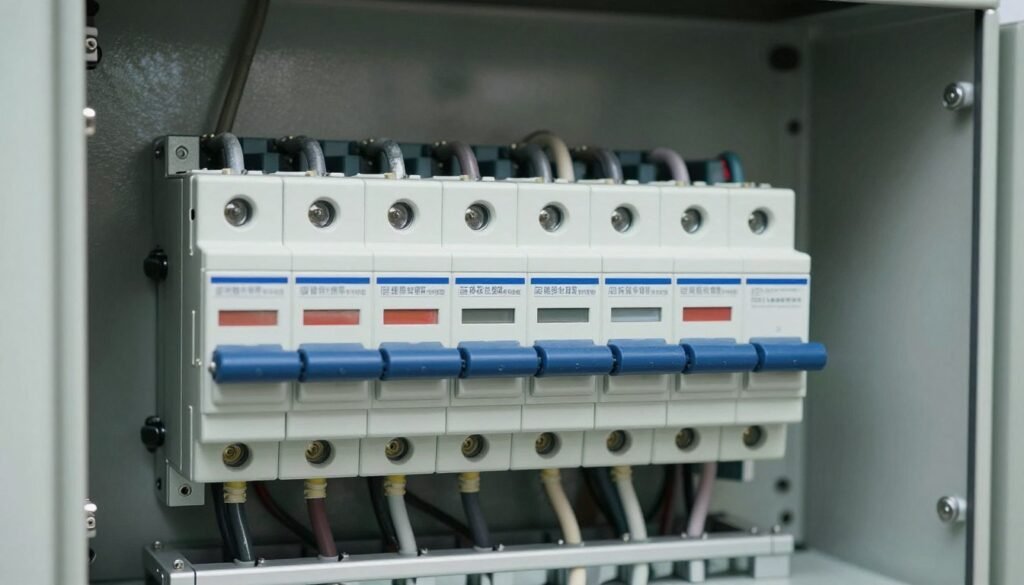
High-wattage ASIC loads demand properly engineered branch circuits, balance across phases, and secure grounding.
- Input voltage must remain steady between 220V and 277V AC to protect the integrated power converter stages.
- Continuous electrical loads demand dedicated breakers with adequate continuous-duty headroom on every branch circuit.
- Power distribution units should feature locking receptacles to prevent loose connections caused by high-frequency chassis vibration.
- Facility grounding systems must comply with local commercial building codes to disperse electrostatic accumulation.
- Phase balancing across three-phase electrical panels prevents neutral wire overload in multi-unit installations.
Operators converting residential garages or small workshops must factor in the cost of installing dedicated 240-volt circuits, commercial panels, and appropriate power distribution units. Infrastructure readiness represents a fundamental component of the total capital budget.
Heat Dissipation, Airflow Dynamics, and Acoustic Noise
Each unit in this product line converts more than 3.5 kilowatts of electrical power directly into thermal energy during standard operation. Managing this continuous thermal exhaust requires dedicated intake and exhaust pathways to prevent internal recycling of superheated air.
Four high-speed axial fans pull ambient air across the hashboards and expel it through rear exhaust ports at sound levels exceeding 75 decibels. This acoustic volume resembles an industrial vacuum cleaner or lawnmower operating continuously, making indoor residential deployment without acoustic isolation enclosures impractical.
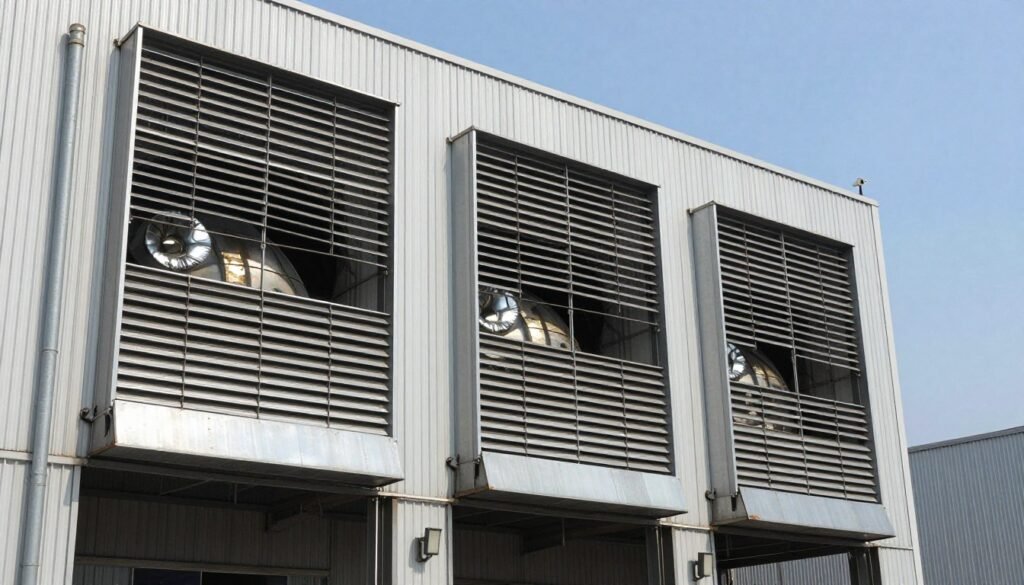
Properly separating cold intake air from hot exhaust prevents thermal throttling and protects internal chip life.
Airflow volume through the chassis must meet manufacturer specifications. Restricting intake ducts or allowing exhaust air to circulate back to the intake increases hashboard operating temperatures rapidly.
Commercial facilities use hot-aisle containment to separate cool intake air from the concentrated thermal exhaust. In dry regions, evaporative cooling pads help moderate peak summer temperatures, while colder climates often recycle exhaust air to heat warehouse spaces during winter months.
Firmware Tuning, Uptime Management, and Maintenance
Operational stability depends on regular physical maintenance and appropriate control software selection. Factory stock firmware provides reliable automatic frequency adjustment and thermal protection safeguards, though third-party custom firmware options offer manual tuning flexibility.
Fine-tuning voltage profiles allows operators to underclock hashboards during peak electricity rate hours or heat waves to preserve operational uptime. Lowering power targets reduces thermal stress on silicone components, which can lower hardware failure rates over multi-year cycles.
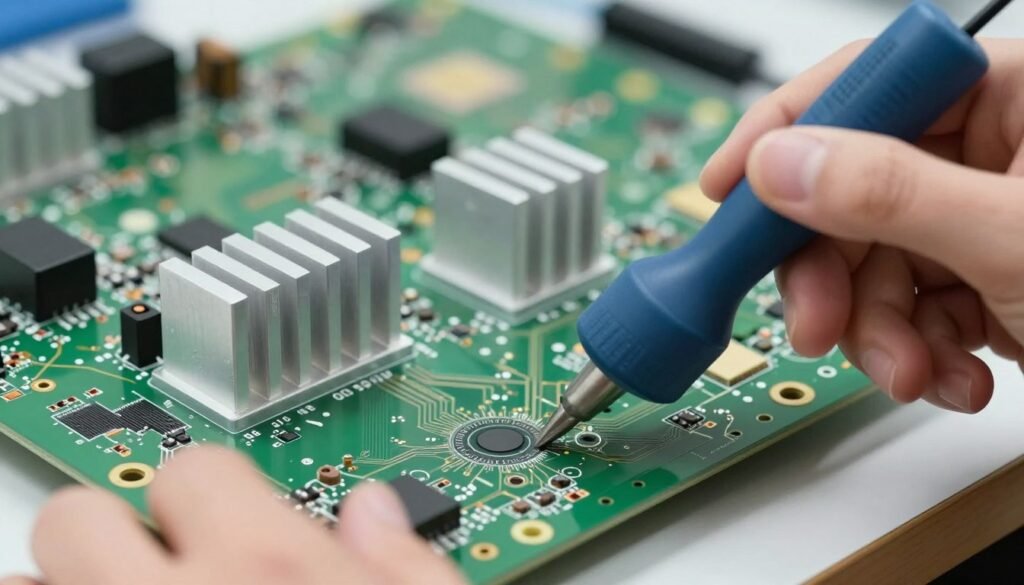
Regular cleaning and thermal inspection protect computing hardware from debris accumulation and localized hot spots.
- Intake fan grilles require routine cleaning to remove dust, lint, and atmospheric particulate matter.
- Firmware updates from official manufacturer channels patch security vulnerabilities on the Linux control board.
- Underclocking profiles enable operation during periods of high ambient temperature without triggering automatic shutdown routines.
- Remote monitoring software tracks individual chip temperatures, fan revolutions per minute, and hashboard error rates.
Preventative cleaning schedules extend machine life significantly by preserving designed airflow volume across internal heat sinks. Dust accumulation insulates electronic components, raising chip operating temperatures and shortening the service life of thermal paste.
Profitability Mechanics: Power Tariffs and Difficulty Adjustment
Evaluating return on capital requires modeling real-world operational variables rather than relying on static daily revenue projections. Machine earnings are never fixed; revenue fluctuates based on Bitcoin market price, global network difficulty adjustments, pool fees, and the fixed block subsidy.
Because network difficulty adjusts approximately every two weeks, hashrate yield per machine naturally compresses over time as newer hardware joins the global pool. Calculating economic viability demands comparing electricity expense against dynamic gross revenue expectations.
- Prevailing market value of minted cryptocurrency assets.
- Periodic network difficulty increases compressing coin yield.
- Mining pool fee structures and transaction fee block rewards.
- Total machine uptime percentages across operational months.
Revenue Determinants
- Industrial power tariffs including demand charges and distribution fees.
- Facility cooling, filtration, and ventilation electrical loads.
- Third-party hosting fees and shared infrastructure overhead.
- Initial hardware depreciation and ongoing component repairs.
Operational Expenses
At low electricity rates, the cheaper upfront cost of the base S21 can yield a faster payback period despite higher power consumption. Conversely, when power costs are elevated, the superior 13.5 J/TH efficiency of the S21 XP reduces daily utility bills enough to justify its higher initial price tag.
Hardware Selection Scenarios for Diverse Deployments
Selecting the optimal model from the S21 family depends on power availability, capital constraints, and installation environment. Different operational profiles dictate different hardware configurations to maximize resource efficiency.
Analyzing common operating scenarios reveals how these machines fit into various deployment models across the sector.
Low Capital Deployments
The standard S21 provides the most affordable entry point for operators seeking maximum terahash per dollar spent on initial hardware.
Power-Capped Commercial Sites
The S21 Pro offers balanced performance, packing higher compute density into fixed electrical infrastructure without requiring additional transformer capacity.
High-Tariff Environments
The S21 XP delivers advanced 13.5 J/TH efficiency, protecting operating margins in locations where electricity costs are higher.
Home operators using acoustic silencing boxes or soundproofed outbuildings generally prefer the S21 Pro for its blend of thermal stability and high output on single-machine residential circuits. Commercial farms with institutional capital benefit most from the S21 XP, as its higher density reduces rack space requirements, structural building dimensions, and cumulative network drops.
Pre-Purchase Due Diligence and Commissioning Checklist
Purchasing enterprise mining equipment involves substantial financial commitments, making systematic verification essential before releasing funds. Supply chains carry risks of transit damage, modified firmware, or unverified secondary market stock.
Following a structured intake and commissioning protocol helps verify hardware integrity and ensures the electrical environment is prepared for operation.

Physical inspection and serial verification confirm equipment authenticity and prevent transit damage from affecting initial startup.
- Verify supplier legitimacy, international shipping terms, import duties, and customs clearance procedures prior to placing orders.
- Confirm manufacturer warranty registration status and valid coverage periods using the official serial numbers.
- Inspect delivery packaging for external impacts and open the chassis to verify heat sink attachment across all hashboards.
- Audit power infrastructure, verifying that voltage meters read between 220V and 277V AC under loaded test conditions.
- Ensure intake air pathways are completely filtered and that exhaust ventilation evacuates heat fully from the building.
- Boot the unit on an isolated local network to inspect stock firmware integrity and verify hashboard chip counts.
Conducting initial bench testing in a controlled environment helps identify shipping-related defects, loose cables, or damaged fan bearings before installing machines into high-density rack positions.
Frequently Asked Questions
Can an Antminer S21 run on a standard 120-volt household outlet?
No, all Antminer S21 series units require input voltages between 220V and 277V AC. Running them on standard residential 120V circuits is not supported and requires installing dedicated 240V lines with commercial-grade breakers.
How does ambient temperature affect S21 series performance?
Elevated ambient temperatures cause the control board to increase fan speeds, which raises auxiliary power draw and noise levels. If intake air exceeds rated operating limits, the machine automatically throttles or shuts down to prevent silicon damage.
What is the primary difference between the S21 Pro and S21 XP?
The S21 XP produces 270 TH/s at 13.5 J/TH efficiency using advanced fabrication nodes, while the S21 Pro generates 234 TH/s at 15.0 J/TH. The XP model delivers superior compute density and energy efficiency at a higher initial hardware cost.
Are aftermarket sound dampening boxes safe for high-power miners?
Aftermarket silencer boxes are safe only when they maintain adequate static pressure and cubic-feet-per-minute airflow across the hashboards. Restricting exhaust or intake airflow causes heat accumulation that triggers emergency thermal shutdowns.
How often should air-cooled ASIC miners be cleaned?
Cleaning frequency depends on facility air filtration quality and dust concentration, but routine inspections should occur every few months. Keeping fan grilles and aluminum heat sink fins free of dust preserves designed heat dissipation efficiency.
Final Verdict: Selecting the Right Antminer Model
Selecting between the Bitmain Antminer S21, S21 Pro, and S21 XP comes down to evaluating available electricity tariffs against upfront equipment pricing. Operators with access to low-cost power contracts achieve sound economic returns with the standard S21, while sites facing higher energy costs or constrained electrical capacity gain the greatest operational longevity from the S21 Pro or S21 XP. Matching hardware efficiency directly to site-specific electrical economics creates a resilient foundation for long-term mining operations.