



What to Look for When Buying a Used ASIC Miner: Complete 2026 Guide

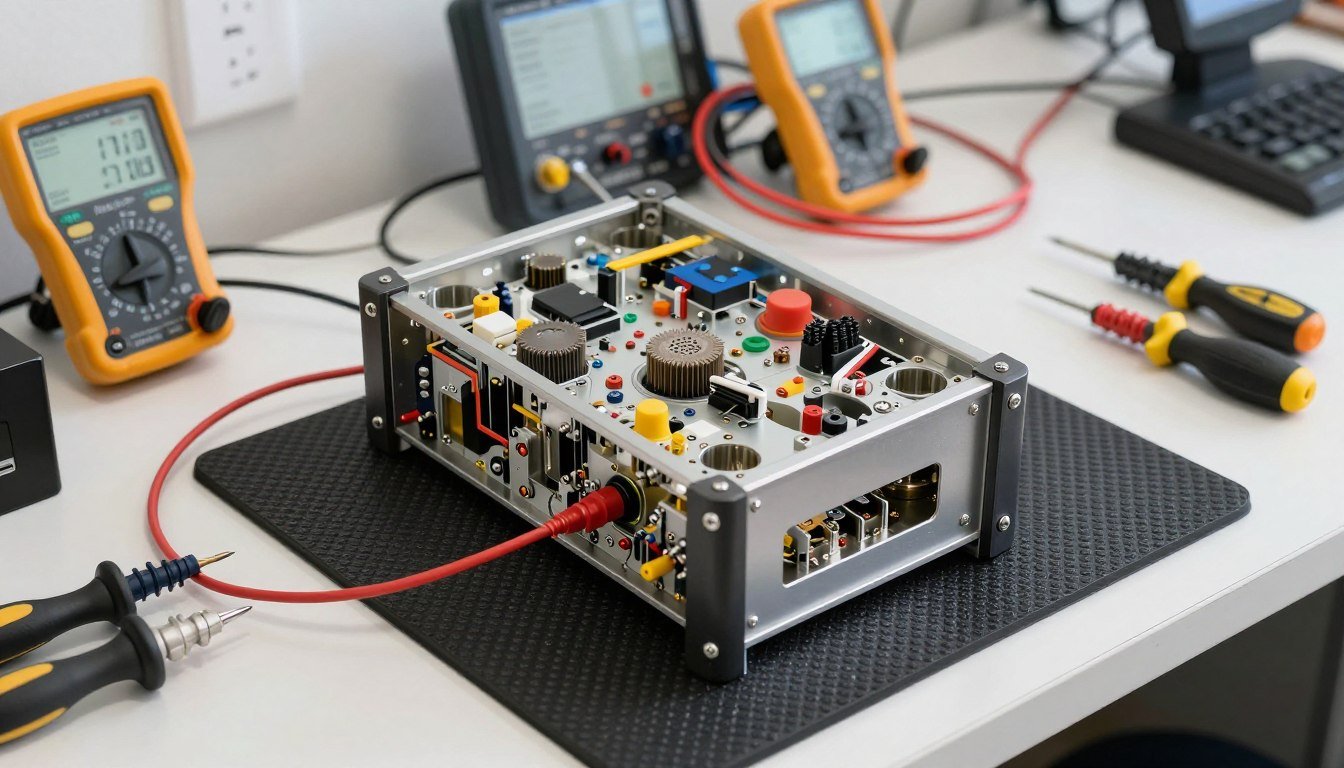
Deployment environments, power tariffs, and maintenance standards determine whether a specific machine fits an operational plan. Assessing physical cleanliness, kernel logs, and delivery protections lowers the chance of acquiring degraded hardware.
Benefits and Risks of Buying Pre-Owned Mining Hardware
Acquiring second-hand Bitcoin miner units offers an accessible hardware pathway, yet operational variables require strict risk management. Pre-owned machines allow miners to deploy hashing power without waiting for manufacturing production batches or enduring extended factory lead times. However, prior environmental stress can reduce the operating lifespan of delicate semiconductor dies and power delivery stages.
Advantages
- Immediate hardware availability bypasses extended factory pre-order waiting windows.
- Secondary market units permit hardware expansion at lower upfront capital outlay.
- Established architectures feature widely available third-party replacement parts and accessories.
Limitations
- Prior operating environments may have accelerated wear on silicon, solder, and fan bearings.
- Degraded thermal interface material can cause chips to run hotter under normal ambient conditions.
- Factory warranties have frequently expired on older generations of deployed hardware.
Careful buyers weigh these trade-offs against local utility rates and operating conditions. Entering the market through used mining hardware requires treating every prospective unit as an industrial machine that requires full mechanical and electrical vetting.
Evaluating Miner Generation, Hash Rate, and Efficiency
The technical viability of any used Bitcoin mining machine begins with its underlying computing architecture and energy consumption profile. Modern application-specific integrated circuit hardware targets the SHA-256 algorithm, yet efficiency metrics vary drastically between older and newer product generations. Evaluating joules per terahash establishes whether a machine can run sustainably within a facility’s power infrastructure.
Energy consumption per unit of computational output determines economic viability far more than headline hash rate figures. Older machines draw substantial power while delivering lower computing throughput, making them viable only where power rates remain exceptionally low.
When inspecting listings, compare the manufacturer baseline specifications against the actual demonstrated output recorded in live diagnostic logs. Silicon binning differences mean that individual units of the same model line produce slight variances in total throughput and power draw. Confirm that the machine operates within nominal parameters without requiring voltage manipulation to hit standard performance targets.
Air-Cooled, Hydro-Cooled, and Immersion-Cooled Used Hardware
Thermal management methods dictate physical inspection requirements, operational demands, and peripheral equipment needs. Air-cooled models remain the simplest to evaluate visually, while liquid-managed platforms introduce fluid chemistry and plumbing tolerances. Prospective buyers must align the cooling design with their site infrastructure before committing capital.
| Cooling System | Key Inspection Focus | Primary Operating Consideration |
| Air-Cooled | Fan Bearings | Requires high volume airflow and thorough intake filtration. |
| Hydro-Cooled | Manifold Seals | Demands clean closed-loop fluid and external heat exchange infrastructure. |
| Immersion-Cooled | Fluid Residue | Necessitates dielectric fluid tanks and specialized cleaning if converting. |
Hydro-cooled units run internal liquid cold plates that demand strict checking for fluid leaks, internal deposits, and degraded tubing. Immersion units eliminate fan failure points but saturate internal components in dielectric fluid, requiring thorough degreasing if retrofitted for air cooling. Air-cooled systems remain vulnerable to airborne particulate accumulation, demanding rigorous examination of intake heat sinks and exhaust grills.

Physical Condition, Enclosure Wear, and Environmental Exposure
The outer chassis and structural frame reveal how previous owners maintained the machine and the atmospheric conditions of the facility. Dents, twisted casing rails, or deformed mounting brackets indicate shipping shocks or rough handling during service routines. Any physical distortion can prevent internal hash boards from seating properly along their guide tracks, risking electrical shorts.
Signs of white powdery oxidation on aluminum heat sinks, greenish rust on copper busbars, or salt crusting indicate exposure to humid or coastal air. Corroded electrical contacts increase circuit resistance and create severe fire hazards.
Inspect internal intake channels for compacted dust, carbon films, or agricultural debris. High humidity combined with industrial dust forms conductive grime across surface-mount components, leading to voltage leakage across chip traces. Water stains or mineral droplet tracks across the top lid indicate roof leaks or evaporative cooler carryover within the prior data center.
Inspecting Hash Boards, Control Boards, and Cooling Fans
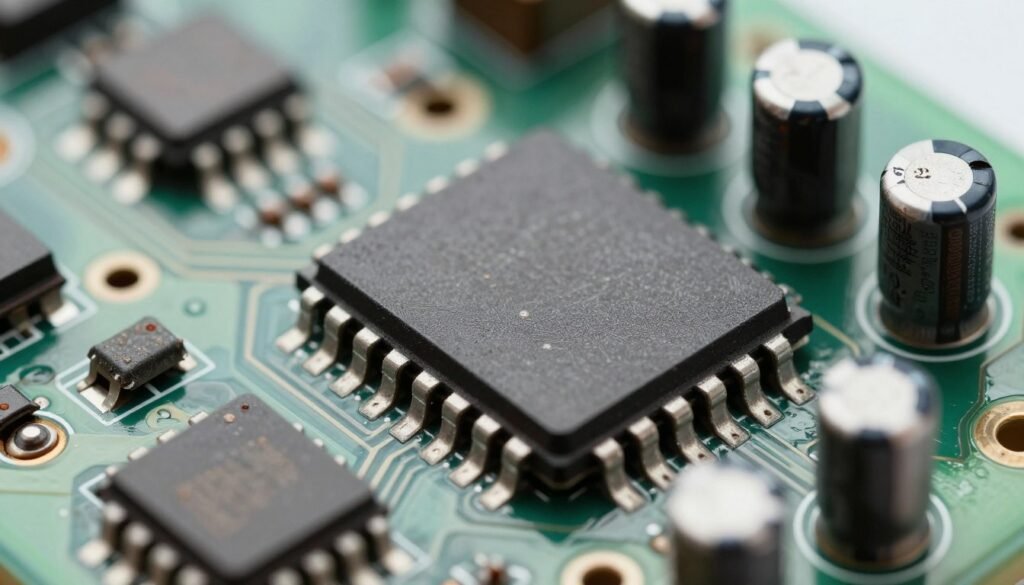
Internal hardware subassemblies require granular evaluation to prevent acquiring a unit with hidden component failures. Every ASIC miner relies on a main control board coordinating multiple hash boards through dedicated ribbon cables. A defect across any single module diminishes total operational throughput or halts mining operations entirely.
Hash Boards
Verify that all integrated circuit dies report active status without missing chips or zero-hash chains. Check for discoloration on the substrate board around power inductors and thermal sensors.
Control Boards
Examine the network interface port, memory card slot, and status light functions. Ensure the board accepts standard configuration commands without kernel lockups or communication drops.
Cooling fans must spin smoothly by hand without axial play, grinding sounds, or resistance from worn sleeve bearings. High-speed industrial fans maintain static pressure across tightly spaced heat sinks; degraded bearings cause fan speed deviations that trigger automated thermal shutdowns. Inspect fan tachometer wiring harnesses for pinched insulation or loose pin terminals inside the plastic connector housing.
Power Supplies, Connectors, and Cabling Integrity
High-wattage continuous loads place severe strain on the power supply unit, terminal blocks, and internal busbars. When examining a pre-owned ASIC miner, verify whether the listing includes an original manufacturer power supply or an unbranded third-party unit. Mismatched power units can deliver unstable direct-current voltage ripple that damages delicate hashing chips over time.
Inspect terminal lugs, C19/C20 power receptacles, and PCI-e connector plugs for plastic discoloration, melting, or carbon scoring. Thermal cycles cause copper pins to loosen, increasing electrical contact resistance and heat buildup.
Cable harnesses must remain flexible without brittle or stiffened outer insulation. Stiff wiring jackets indicate sustained thermal overload from operating in elevated ambient temperatures. Tighten terminal screws to manufacturer torque limits and verify that locking tabs on multi-pin power connectors snap firmly into place.

Firmware Configuration, Operating History, and Diagnostic Logs
Internal operating systems log historical performance, thermal events, and hardware errors that physical inspection cannot uncover. Standard factory firmware maintains detailed kernel logs detailing boot sequences, chip detection counts, and fan speed modulations. Requesting live configuration reports before purchasing helps uncover intermittent hardware flaws.
- Scan kernel logs for recurrent cyclic redundancy check errors or frequent chip reboot events.
- Verify that the firmware build has not been locked by proprietary hosting provider management profiles.
- Check that temperature sensor reporting shows balanced readings across intake and exhaust zones.
- Look for hardware fault flags, missing board alerts, or voltage controller communication timeouts.
- Confirm the control board accepts official manufacturer firmware updates without digital signature rejections.
Third-party aftermarket firmware can mask hardware instability through dynamic under-volting or aggressive chip frequency down-clocking. Request that the seller demonstrate the machine operating on stock manufacturer firmware to verify baseline performance. Firmware that hides specific hash board errors conceals impending semiconductor failure.
Verifying Advertised Hash Rate and Performance Claims
Marketing descriptions often cite factory rated capacity rather than the actual sustained output of that specific machine. Computing throughput fluctuates based on ambient intake temperatures, atmospheric pressure, and supply voltage stability. Verifying actual hash rate requires reviewing live continuous mining pool statistics alongside local administrative dashboard readouts.
A machine must maintain its target hash rate consistently over a sustained operational test window. Brief diagnostic bursts of several minutes fail to reveal thermal throttling issues that emerge only after internal heat sinks reach full saturation.
Compare the local dashboard hashrate against the pool-side effective hash rate to identify excessive rejected shares. A high reject rate indicates network packet loss, unstable clock frequencies, or degraded silicon producing computational errors. Legitimate sellers supply uncropped dashboard screenshots displaying uninterrupted uptime alongside active pool worker graphs.
Identifying Inconsistent and Misleading Performance Data
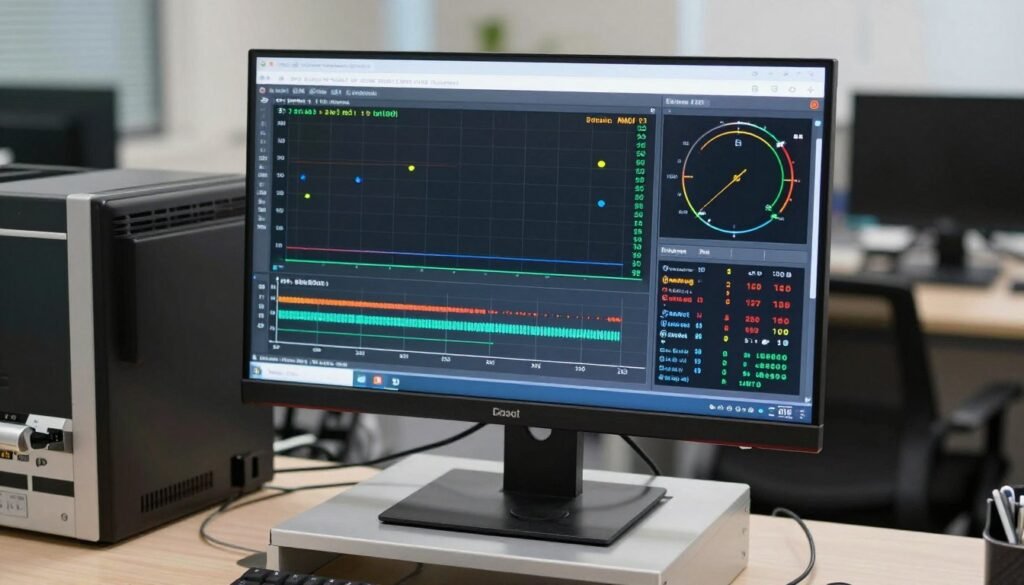
Misleading listings often obscure hardware deficits by manipulating test conditions or presenting selective diagnostic data. Unscrupulous sellers may chill intake air artificially using air conditioning to present normal operating temperatures on units with degraded thermal paste. Learning to evaluate diagnostic metrics protects buyers from purchasing thermally compromised hardware.
| Reported Metric | Suspicious Pattern | Operational Reality |
| Chip Temperature | Extreme Variance | Indicates loose heat sinks, dried thermal grease, or failed board sensors. |
| Hash Rate Curve | Frequent Spikes | Signals instability, driver crashes, or automated chip throttling under load. |
| Fan Duty Cycle | Constant Maximum | Reveals marginal cooling capacity or thermal paste breakdown at ambient temps. |
| Active Chips | Incomplete Chain | Confirms dead computing dies or broken serial data communication traces. |
Inspect diagnostic logs for temperature differences across adjacent chips on the same board. Uniform heat distribution across the board indicates intact thermal interface material and consistent airflow velocity. Wide thermal deltas between chips signify mechanical heat sink detachment or uneven clamping pressure, risking localized thermal runaway.
Comparing Pre-Owned Antminer and WhatsMiner Platforms
The secondary mining market centers heavily around hardware from Bitmain and MicroBT, each utilizing distinct engineering philosophies. Antminer units emphasize modular repairability and broad aftermarket spare part ecosystems, while WhatsMiner builds emphasize heavy aluminum chassis construction and integrated power delivery. Understanding these platform differences streamlines physical and digital evaluations.
Bitmain Antminer Platforms
- Modular hash board assemblies slide out easily for bench testing and surface-mount repair.
- Control boards use standard ribbon cables and readily replaceable external cooling fans.
- Extensive third-party replacement parts and component repair guides circulate globally.
- Chassis designs feature lightweight aluminum construction requiring careful shipping protection.
MicroBT WhatsMiner Platforms
- Rigid industrial unibody design secures heat sinks firmly directly to internal components.
- Custom integrated power supply units bolt directly onto the chassis without external cables.
- High thermal mass provides resilience against sudden ambient temperature swings.
- Board-level repairs require specialized tooling due to dense structural assembly methods.
When inspecting a used Antminer, prioritize checking the condition of hash board edge connectors and ribbon cable retention clips. For a used WhatsMiner, concentrate on the integrity of the integrated power supply mounting bolts and internal busbar joints. Both hardware families provide robust hashing capabilities when properly maintained and operated within rated thermal limits.
Essential Inquiries to Present to Hardware Sellers
Direct communication with hardware suppliers clarifies maintenance standards, prior operating environments, and transaction protections. Asking specific, technical questions separates knowledgeable hardware distributors from intermediary brokers who never inspect physical inventory. Document all seller statements in writing prior to submitting payment.
| Inquiry Area | Target Information | Evaluation Purpose |
| Prior Facility | Climate Conditions | Identifies exposure to high humidity, dust, or agricultural pollution. |
| Operating Clocks | Stock Or Overclock | Clarifies electrical stress placed on silicon dies and power components. |
| Repair History | Board Soldering | Reveals whether hash boards received component replacement or pad fixes. |
| Bench Testing | Testing Duration | Confirms the machine reached thermal equilibrium before being listed. |
Inquire whether the unit ships with serial-matched diagnostic printouts and high-resolution photographs of the actual chassis. Trusted suppliers like Bobbie Hash Matrix bench-test and grade used hardware before listing, documenting real-world performance rather than factory estimates. Insist on clear details regarding testing protocols, packaging standards, and transit protections before finalizing orders.
Used ASIC Miner Inspection Checklist
A structured physical and operational audit reduces avoidable purchase risks. Work through this comprehensive sequence systematically when evaluating prospective units or reviewing delivery arrivals before installation. Skipping visual or mechanical checkpoints increases the probability of deploying compromised hardware.
- Match chassis serial numbers, model labels, and control board MAC addresses against listing documentation.
- Confirm hashing algorithm support and verify baseline nameplate power consumption against electrical service capacity.
- Inspect aluminum enclosure panels for structural warping, bent fan guards, or impact fractures.
- Check heat sink arrays for dust clogs, corrosion deposits, salt residue, and moisture stains.
- Verify all hash boards are recognized by the system and check that every individual chip registers active.
- Examine power supply terminal blocks, C19/C20 receptacles, and busbars for signs of heat discoloration or melting.
- Test all cooling fans for smooth bearing rotation, blade cracks, and secure wire harness pins.
- Review diagnostic kernel logs for persistent cyclic redundancy check errors, voltage drops, or chip timeouts.
- Verify operating temperature metrics across all thermal sensors to ensure balanced airflow across the chassis.
- Confirm the unit operates on standard manufacturer firmware without locked administrative credentials.
- Inspect internal circuit boards for messy flux residue or aftermarket jumper wires indicating amateur solder repairs.
- Request continuous live test results showing stable hash rate output under full operational load.
- Confirm packaging specifications include custom form-fitting foam to prevent transit damage to internal boards.
- Verify warranty duration, return parameters, and payment terms in writing prior to transaction settlement.
Document each completed checkpoint with dated photographs and diagnostic log exports. This testing record establishes a clear baseline for tracking hardware health over future production cycles.

Warranty Protection, Return Terms, and Shipping Logistics
Logistics and after-sale policies present significant risk vectors when acquiring heavy, delicate industrial electronics. A fully functioning miner can arrive non-operational if packed in loose cardboard without custom foam suspension cushions. Shock impacts during ground or air transit can detach internal heat sinks, crack solder balls beneath computing dies, and bend structural chassis rails.
| Transaction Component | Preferred Standard | Key Risk Mitigated |
| Packaging | Fitted Polyethylene | Prevents internal board displacement and external shock damage in transit. |
| Warranty Window | Formal Coverage | Protects against early latent component failures missed during brief tests. |
| Return Rights | Defined Return Window | Allows recourse if delivered hardware deviates from advertised performance. |
| Payment Channels | Secure Methods | Reduces transaction fraud and unverified broker settlement risks. |
Review international freight logistics, export classifications, and destination customs clearance obligations before ordering overseas hardware. Unanticipated import duties or customs delays can strand equipment in unconditioned transit depots for weeks, risking moisture accumulation. Choose domestic warehouse shipments whenever possible to minimize transit duration, customs clearance friction, and rough multi-carrier handling.
Frequently Asked Questions
Is buying a used ASIC miner worth it?
Acquiring second-hand mining hardware offers practical value when local electric rates remain competitive and hardware health is thoroughly vetted. Success depends entirely on acquiring units with stable hash boards and intact cooling systems rather than targeting the lowest initial purchase price.
How do I verify a used Bitcoin miner’s hash rate?
Verify hash rate performance by reviewing uninterrupted administrative dashboard data alongside active pool worker metrics recorded under sustained operational load. Reject brief test runs, as machines must reach thermal saturation to reveal potential throttling or chip dropouts.
What should I inspect on a used Antminer?
Inspect hash board ribbon connectors, chip chain completeness in kernel logs, and fan bearing resistance. Examine the surface-mount components around power input terminals for heat discoloration or corrosion residue.
Are used WhatsMiner machines reliable?
WhatsMiner units offer strong physical durability due to their unibody aluminum design and direct-mounted power supplies. Buyers must inspect the integrated power supply mounting bolts and verify that internal temperature sensors report balanced thermal metrics.
What test results should a seller provide?
Sellers should supply uncropped diagnostic dashboard screenshots, complete boot kernel logs, and active mining pool share history. These records must verify target hash rate, fan speeds, chip counts, and operating temperatures simultaneously.
How important are the PSU, fans, and hash boards?
These three subassemblies represent the functional foundation and highest replacement expenses of any mining rig. A degraded power supply can ruin computing chips through voltage instability, while failing fans cause automated thermal shutdowns that halt hashing.
Should I buy a hydro-cooled or immersion-cooled used miner?
Hydro and immersion units suit facilities with dedicated liquid distribution loops, external cooling towers, or dielectric fluid tanks. Buyers operating standard airflow infrastructure should select air-cooled models to avoid complex fluid engineering requirements.
What warranty and return terms should I require?
Require a clearly documented warranty window alongside defined return terms that permit hardware replacement if delivered metrics deviate from listings. Reliable sellers supply formal terms in writing rather than selling hardware under final-sale conditions.
Practical Next Steps for Acquiring Second-Hand Hardware
Acquiring dependable pre-owned computing hardware requires balancing energy efficiency metrics, physical inspection rigor, and documented test verification. Establishing clear standards for power delivery integrity, thermal stability, and seller warranty protections prevents expensive hardware missteps. Operators who systematically evaluate mechanical condition and administrative logs position their facilities for consistent computational output.
Ready to Deploy Bench-Tested Mining Hardware?
Explore inventory tested under load, graded for operational reliability, and backed by clear warranty terms from a dedicated domestic warehouse.