



Air-Cooled vs Hydro-Cooled ASIC Miners: Which Is Better for Bitcoin Mining?


Air cooling provides immediate mechanical simplicity with minimal secondary plumbing, whereas hydro cooling captures thermal energy directly from hashing components to enable higher hardware density and quieter operation. Facility power capacity, ambient seasonal climate, and routine servicing capabilities decide the right path for a specific mining deployment.
How Air Cooling Operates in Bitcoin ASIC Miners
An air-cooled ASIC miner relies on forced convection to pull atmospheric air across thermal heat sinks attached directly to hashing silicon. Heavy-duty intake fans pull fresh ambient air into the front chassis, driving it across aluminum or copper fins before high-speed exhaust fans push hot air out the rear.
The rate of heat transfer depends entirely on ambient air temperature, fan velocity, and unrestricted air path velocity through the chassis. When intake air rises in temperature, hashing chips run hotter, prompting internal fan controllers to accelerate fan speeds to maintain safe operating thresholds.
Maintaining a dedicated thermal separation between cold intake aisles and hot exhaust discharge prevents hot air recirculation, which degrades hashboard efficiency and strains cooling fans.
Thermal exhaust from each air-cooled ASIC miner carries substantial heat that must exit the building continuously through industrial louvers or extraction fans. Without adequate airflow volume, thermal buildup accumulates rapidly around the hardware chassis, resulting in emergency thermal shutdowns.

Mechanics of Hydro-Cooled Bitcoin Mining Systems
A hydro-cooled ASIC miner replaces high-speed chassis fans with sealed aluminum or copper water blocks mounted directly against hashing boards. Liquid coolant circulates through internal micro-channels within each plate, absorbing thermal energy from the silicon chips before exiting through distribution manifolds.
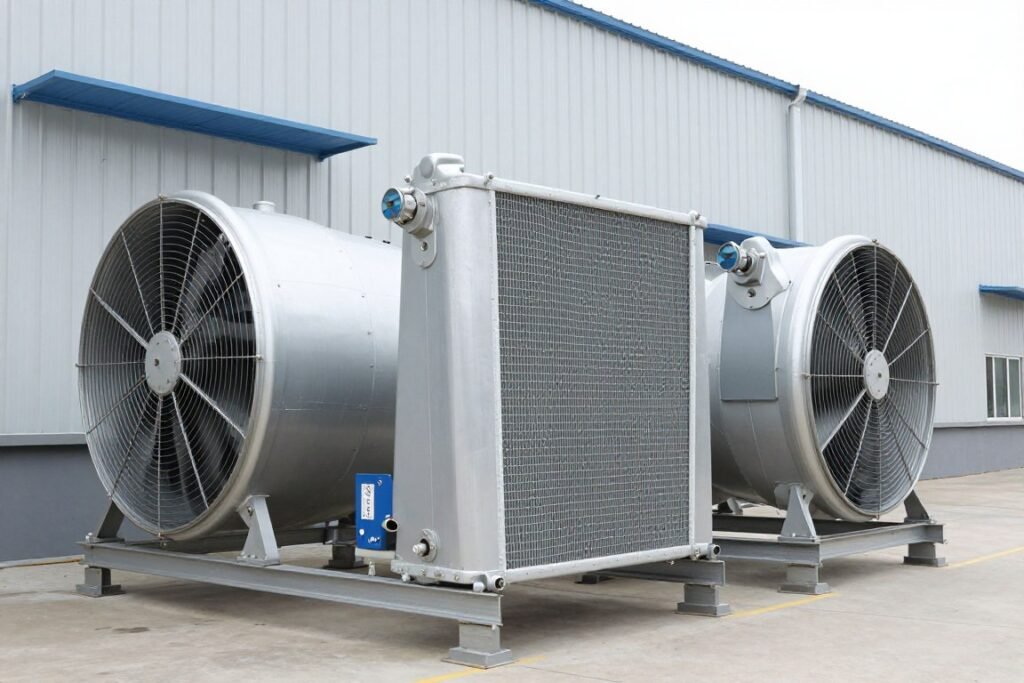
The heated fluid flows through specialized plumbing toward an external heat exchanger, such as a closed-circuit cooling tower or dry cooler radiator. External circulation pumps maintain steady fluid velocity, while external radiator fans release the accumulated heat into the outside atmosphere before returning chilled fluid back into the mining chassis.
Closed-loop liquid systems isolate hashing components from ambient atmospheric contamination, eliminating the need to pull unfiltered ambient air across delicate electronic hashboards.
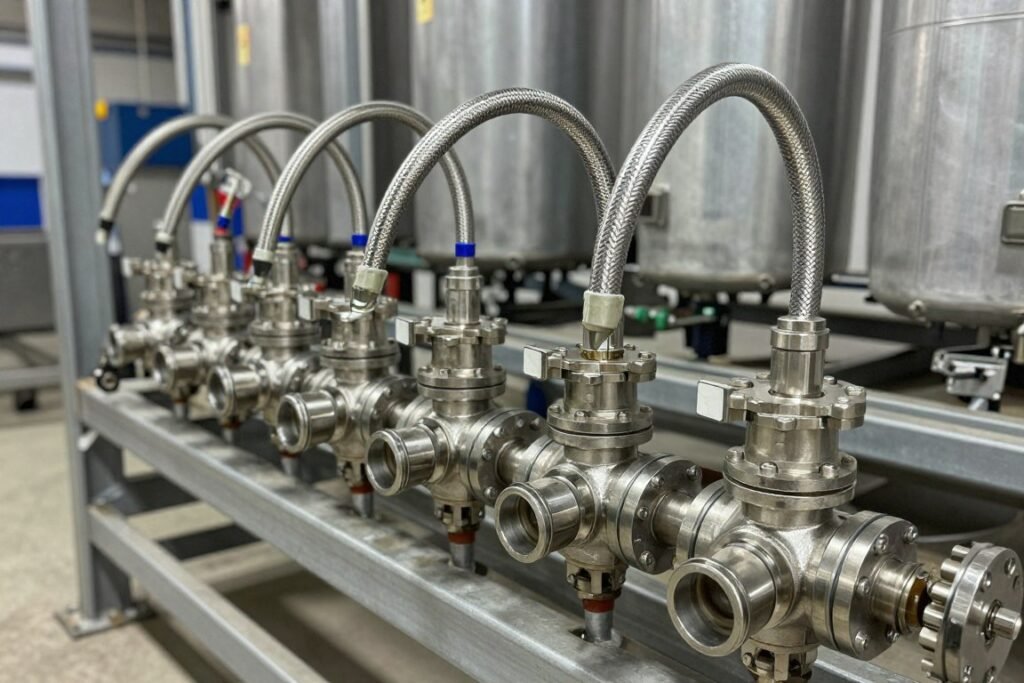
Operators adopting a hydro cooling Bitcoin miner configuration require balanced fluid distribution loops to maintain identical flow rates across every connected machine. Regulated pressure sensors, expansion tanks, and automated air purge valves help stabilize fluid volume across changing operating temperatures.
Technical Differences Between Air and Hydro Architecture
The primary architectural divergence between cooling methods centers on the medium used for thermal conduction away from the processing silicon. Air possesses a significantly lower volumetric heat capacity than water, requiring massive volumes of moving air to match the heat absorption of a modest fluid stream.
Air-cooled units represent standalone machines containing all necessary thermal components within a self-contained metal tube. In contrast, hydro-cooled hardware functions as one node within an interconnected hydronic loop, requiring external heat rejection machinery, circulating pumps, and water treatment systems to operate.
Air Convection Mechanics
Relies on high-velocity fan pressure moving large cubic volumes of ambient air across exposed metal heatsinks, venting heat directly into the immediate room space.
Liquid Conduction Mechanics
Transfers heat into circulating fluid through sealed cold plates, piping thermal energy outside the building envelope without releasing hot air inside the server room.
This design divergence transforms facility planning, changing structural loads from high-volume air ducting toward reinforced hydronic plumbing and exterior radiator pads. Selecting between these systems establishes the baseline mechanical requirements for the entire facility lifecycle.
Comprehensive Cooling System Comparison
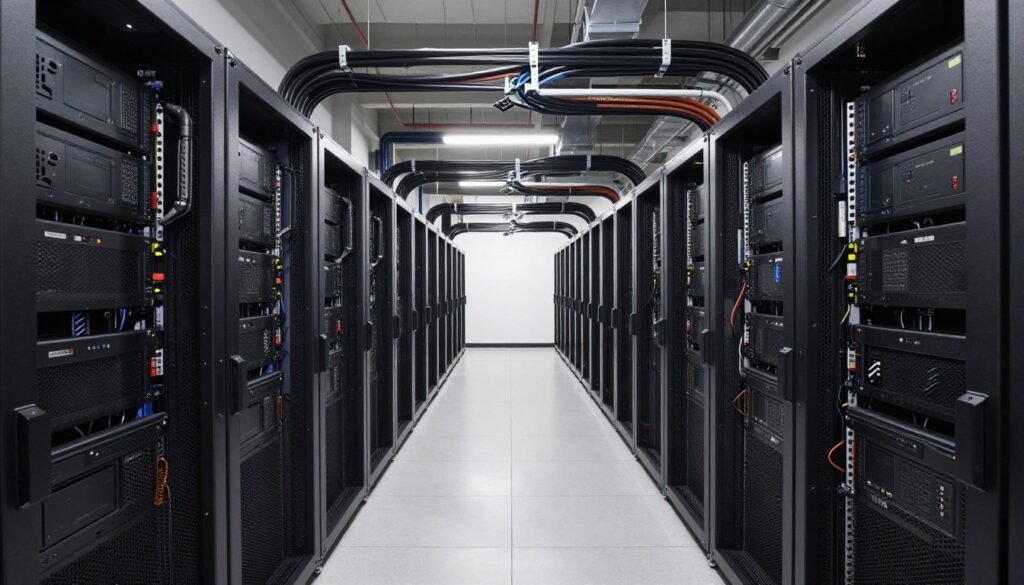
Evaluating mechanical systems requires analyzing operational tradeoffs across noise, physical footprint, maintenance routines, and deployment overhead. The following matrix details core functional characteristics across both cooling architectures.
| Evaluation Metric | Air-Cooled System | Hydro-Cooled System |
| Cooling Method | Forced Air Convection | Closed-loop liquid conduction through sealed cold plates |
| Cooling Performance | Ambient Dependent | High thermal conductivity with stable operating silicon temperatures |
| Heat Management | Dispersed Hot Air | Direct liquid heat capture enabling outdoor radiator rejection or capture |
| Noise Levels | High Sound Output | Near-silent chassis operation with moderate acoustic output at dry coolers |
| Installation | Plug and Play | Requires specialized mechanical plumbing, pipe manifolds, and pressure testing |
| Maintenance | Fan and Dust Care | Fluid chemistry monitoring, leak checks, pump servicing, and loop flushing |
| Infrastructure | Louvers and Exhaust | External dry coolers, expansion vessels, circulation pumps, and manifolds |
| Space Requirements | Wide Aisle Spacing | Dense vertical stacking with compact indoor footprint and outdoor radiator yard |
| Environmental Needs | Dust-free Intake | Enclosed hashboards shielded from dust, moisture, and ambient drafts |
| Operating Scope | Modular Units | Interdependent systems requiring consistent fluid balancing across all connected racks |
| Best Use Cases | Flexible Facilities | High-density commercial sites, strict noise limits, and extreme ambient heat |
| Main Drawbacks | Acoustic and Dust | Complex mechanical installation and potential plumbing leak vulnerabilities |
Each metric demonstrates why facility design must align with machine specifications before hardware procurement begins. Misaligning cooling hardware with facility capabilities increases operating costs and causes unplanned downtime.
Thermal Performance and Heat Capture Dynamics
Liquid coolants absorb thermal energy much faster than air currents moving over metallic heatsink fins. In a hydro-cooled unit, liquid passes directly across thermal plates clamped against the silicon, maintaining uniform core temperatures across individual boards.
Air-cooled units experience a temperature gradient where intake-side chips operate cooler than exhaust-side chips on the same hashboard. As cooling air travels across successive heatsinks, it warms up, reducing cooling effectiveness toward the rear of the machine.
Air Convection Profile
- Variable chip temperatures along airflow axis
- Elevated fan power draw during thermal spikes
- Susceptible to ambient temperature surges
Hydro Thermal Profile
- Uniform thermal distribution across silicon surfaces
- Direct heat capture to external fluid loops
- Resilient heat dissipation in high ambient conditions
Maintaining balanced chip temperatures reduces thermal stress on solder joints and silicon dies over extended operational periods. Stable thermal regulation prevents frequency throttling triggered by overheating onboard sensors during hot summer months.
Acoustic Footprint and Noise Management
Acoustic emissions represent one of the most immediate operational challenges when deploying a high-powered Bitcoin ASIC miner fleet. Standard air-cooled miners produce loud, high-pitched whines generated by compact fans spinning at high velocities to push air through restricted chassis openings.
This intense acoustic profile requires heavy acoustic dampening, custom sound baffles, or remote geographical placement far from residential zoning. Operating multiple air-cooled machines without sound mitigation inside standard commercial buildings can violate local municipal noise regulations.
High decibel acoustic output from high-speed cooling fans limits residential or suburban deployment options without engineered sound isolation enclosures.
Hydro-cooled units run without screaming chassis fans on the miner body, creating an indoor environment that remains remarkably quiet. Mechanical sound in liquid setups is concentrated outdoors near external dry coolers and fluid circulation pumps, where low-velocity industrial fans produce a low, manageable hum.
Infrastructure and Mechanical Facility Requirements
Preparing a site for a mining deployment requires balancing electrical capacity against cooling infrastructure. Air-cooled operations require extensive building penetrations, including motorized louvers, intake air filters, hot-air exhaust hoods, and negative-pressure extraction fans.
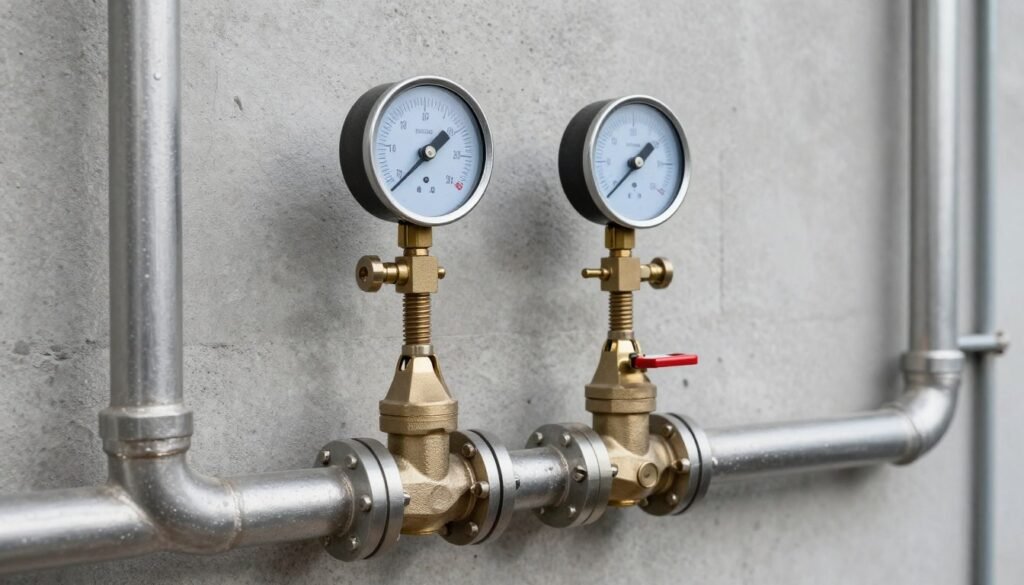
Hydro-cooled facilities demand hydronic plumbing craftsmanship alongside standard electrical switchgear. The facility must accommodate supply and return pipe headers, balancing valves, mechanical pumps, expansion tanks, and fluid pressure monitoring gauges.
- Dedicated electrical feeds capable of handling continuous uninterrupted mining hardware loads.
- Closed-loop hydronic distribution piping constructed from corrosion-resistant materials such as stainless steel or industrial polymers.
- External equipment pads designed for dry coolers, heat rejection towers, and primary fluid circulation pumps.
- Water purification systems or premixed industrial coolants to prevent mineral scaling inside micro-channel plates.
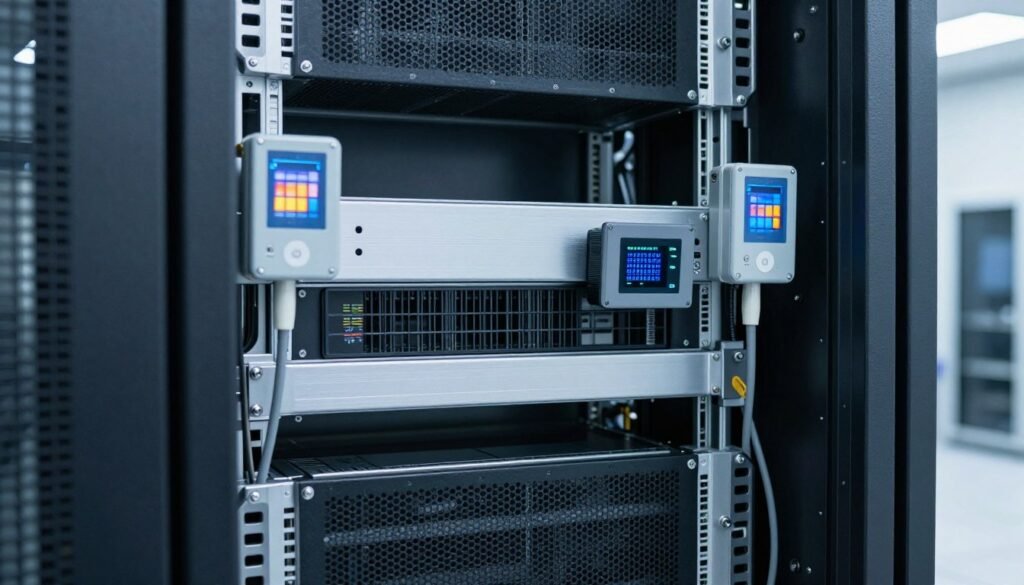
- Integrated leak detection sensors installed beneath manifolds and along floor drainage pathways.
Deploying hydro-cooled ASIC miners shifts structural focus from air ductwork to fluid plumbing. Properly sized distribution manifolds maintain uniform pressure across all machine connections, avoiding starvation of individual hashboards.
Space Efficiency and Facility Rack Layout
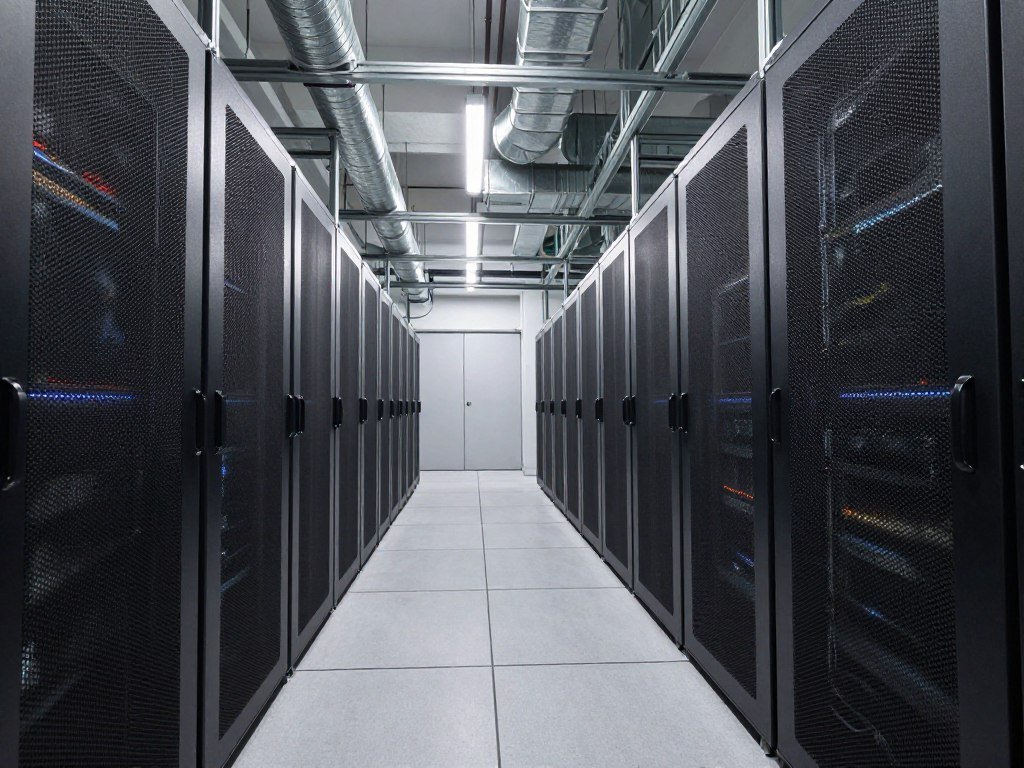
Physical spatial requirements vary significantly between airflow-driven and hydronic-driven computing hardware. Air-cooled hardware needs wide corridors to support intake airflow volumes and prevent exhaust heat from creating dead-air pockets between equipment racks.
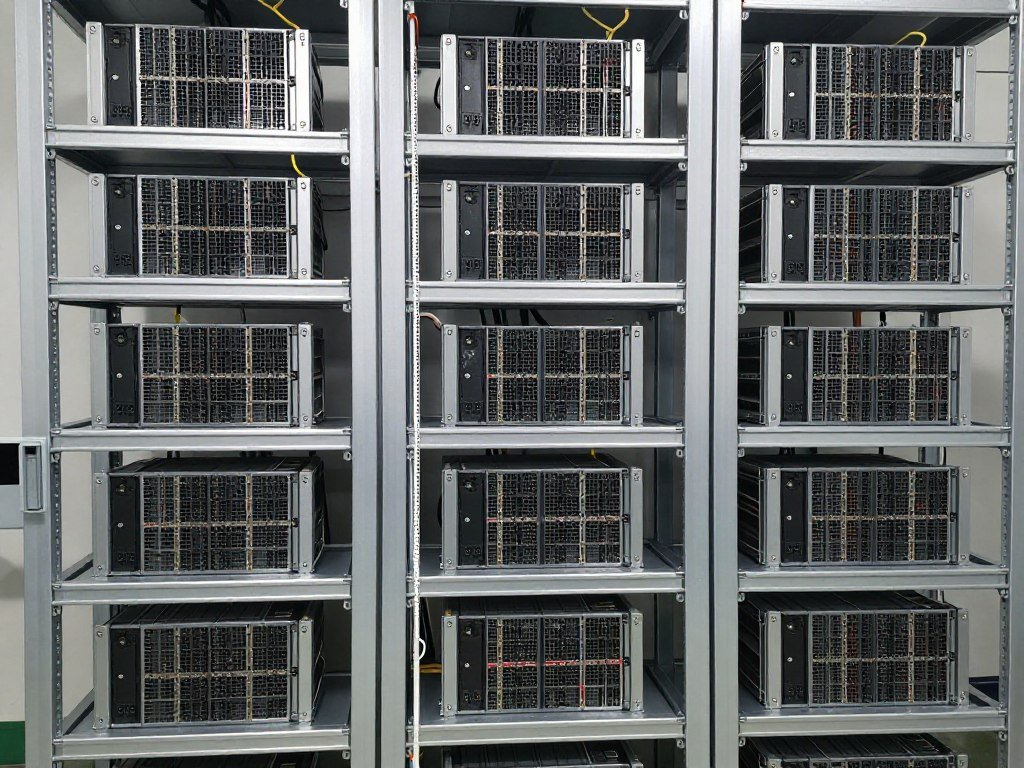
Hydro-cooled machines do not rely on open-air spacing, allowing units to be stacked tightly in vertical rack frames. This enables operators to deploy significantly more computational capacity per square foot of indoor real estate.
Air-Cooled Floor Plan
Demands substantial building volume, wide hot-aisle containment corridors, and extensive ducting to prevent heat stagnation between racks.
Hydro-Cooled Density
Allows ultra-compact vertical machine placement, shrinking structural room footprints while moving heat rejection to exterior radiator yards.
While hydro systems save indoor space, they require exterior yard space for dry coolers, radiators, and pump skids. Facility planners must verify exterior pad zoning, structural roof loading limits, and pipe routing runs before committing to dense indoor racks.
Environmental and Ambient Operating Conditions
Ambient atmospheric conditions directly impact hardware stability and longevity across seasonal climate shifts. Air-cooled systems continuously intake outdoor air, drawing airborne particulates, dust, industrial soot, and atmospheric moisture directly across exposed circuit boards.
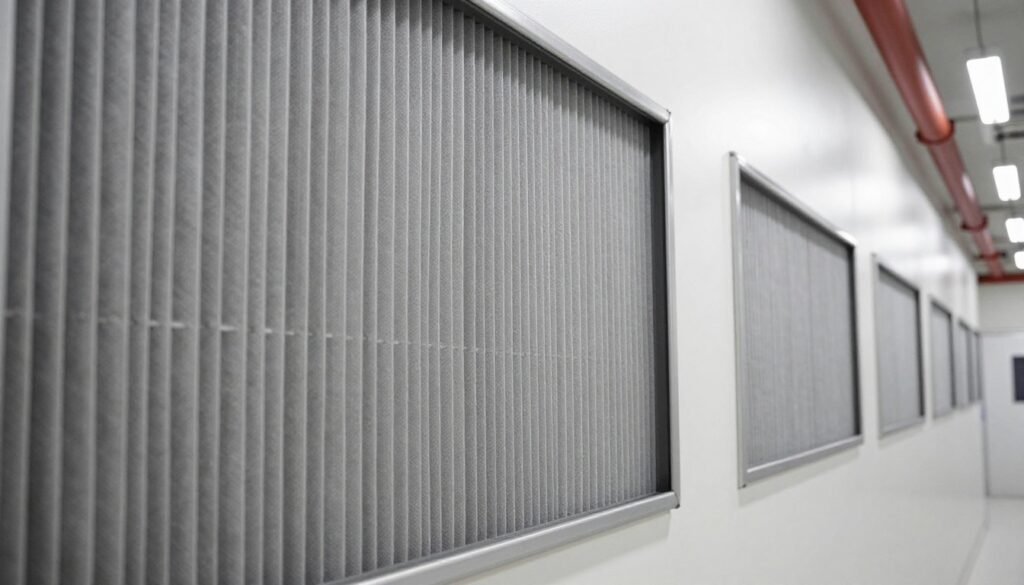
In humid or dusty environments, particulate accumulation on air-cooled heatsinks restricts airflow and forms conductive coatings during high-humidity cycles. Operators must install multi-stage filtration panels, which require regular cleaning and create intake airflow resistance that fans must overcome.
Sealed hydro-cooling enclosures protect internal hashboards from outdoor dust, corrosive air, moisture, and agricultural particulates.
Hydro-cooled machines isolate sensitive hashing components from ambient atmospheric contamination within sealed chassis plates. This makes a hydro cooling Bitcoin miner configuration practical in hot, arid, agricultural, or coastal environments where air quality compromises standard electronics.
Routine Maintenance and System Failure Modes
Operational maintenance schedules reflect the mechanical moving parts present within each cooling framework. In air-cooled machines, chassis fans represent the primary mechanical failure point, suffering bearing wear from continuous high-speed rotation.
Routine air-cooled maintenance involves blowing compressed air through heatsink fins, vacuuming intake filter banks, and swapping failed modular fans. These tasks are mechanically simple and can be completed quickly on individual units without affecting adjacent running hardware.
Air Maintenance Advantages
- Simple modular component replacement for failed fans
- No specialized fluid chemistry testing required
- Individual machines service isolated without loop downtime
Hydro Maintenance Realities
- Periodic fluid pH and conductivity analysis needed
- Potential fluid leaks require immediate isolation
- External circulation pumps require skilled mechanical care
Hydro systems eliminate fan replacements inside the machine chassis, but introduce plumbing oversight. Technicians must monitor system fluid pressure, inspect quick-disconnect fittings for seal wear, check corrosion inhibitor levels, and service external radiator fans and pump bearings.
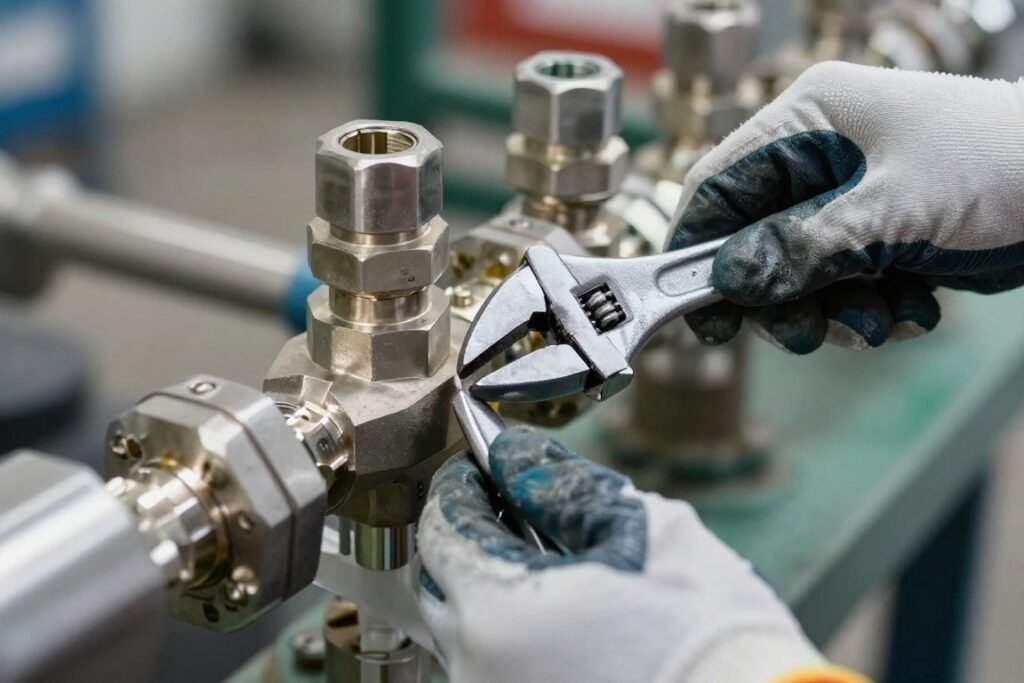
Bitmain and MicroBT Hardware Implementations
Leading manufacturers offer specialized product families designed specifically around either forced-air ventilation or closed-loop hydronic circulation. Bitmain produces both traditional air-cooled machines alongside dedicated hydronic systems like the Antminer Hydro series.
MicroBT similarly engineers dual product tracks, offering standard air models as well as the WhatsMiner Hydro product line. These liquid models feature factory-fitted cold plates, robust quick-connect fluid couplers, and specialized control firmware designed to monitor fluid thermal differentials rather than fan speeds.
Air-Cooled Chassis Lines
Standard Antminer and WhatsMiner air models use dual push-pull fan shrouds, optimized aluminum heatsinks, and modular control boards designed for standard airflow racks.
Bitmain Antminer Hydro
Engineered for integration into specialized water-distribution cabinets, utilizing internal cold plates and high-flow quick-disconnect liquid couplings.
MicroBT WhatsMiner Hydro
Features factory-sealed internal liquid channels designed for high-pressure industrial closed loops, prioritizing durability and heat capture capabilities.
Deploying dedicated hydro units like the WhatsMiner ASIC miners hydro series requires matching factory flow rate specifications. Operators must source compatible dry coolers and distribution manifolds that meet manufacturer fluid pressure guidelines to maintain warranty validity.
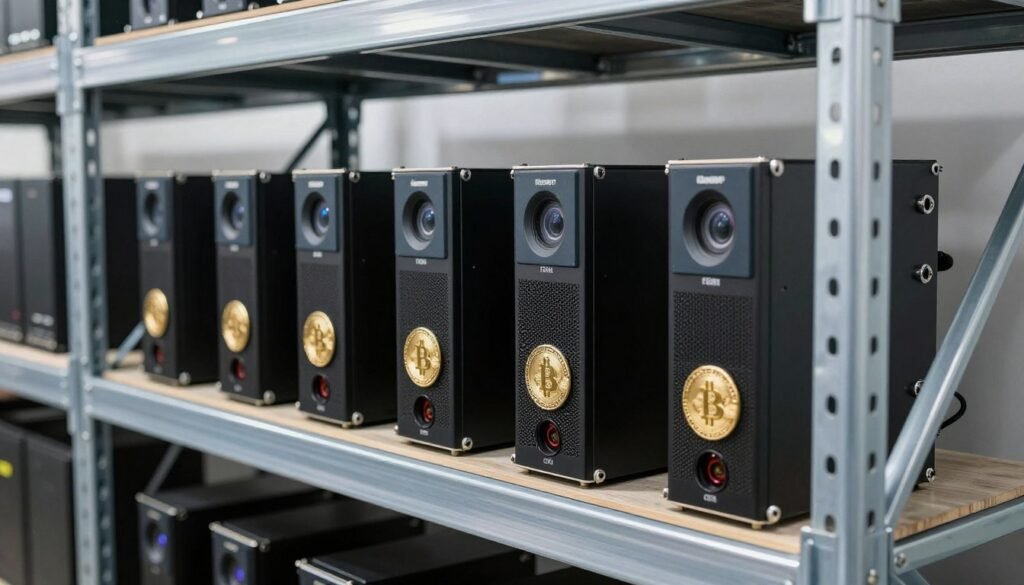
Which ASIC Cooling System Should You Choose?
Selecting between cooling technologies requires matching operational priorities, mechanical skill sets, and facility budgets to hardware demands. Neither method suits every deployment scenario, making an objective assessment of site characteristics essential before buying equipment.
- Beginners and small-scale miners benefit from air cooling due to plug-and-play simplicity and minimal upfront mechanical setup.
- Home or garage operators where permitted should evaluate acoustic limits, as screaming air-cooled fans disrupt domestic environments unless heavily baffled.
- Commercial facilities with strict zoning noise limits find hydro cooling advantageous because primary mechanical noise moves outdoors to low-speed radiators.
- High-density operations seeking to maximize compute power per square foot of building space can leverage hydro racks for compact physical footprints.
- Hot, dusty, or agricultural regions benefit from hydro systems because sealed hashboards prevent dust clogs and ambient heat degradation.
- Locations lacking adequate exterior radiator pad space or structural roof capacity for dry coolers must utilize air cooling with high-capacity wall louvers.
- Operators prioritizing simple servicing by general staff without plumbing skills should select air-cooled machinery.
- Facilities designed for district heating or thermal energy reuse can capture high-grade heat directly from hydro fluid return lines.
Evaluating available Bitcoin ASIC miners against these environmental criteria prevents costly infrastructure redesigns later. Matching cooling type to facility reality preserves long-term hardware reliability.
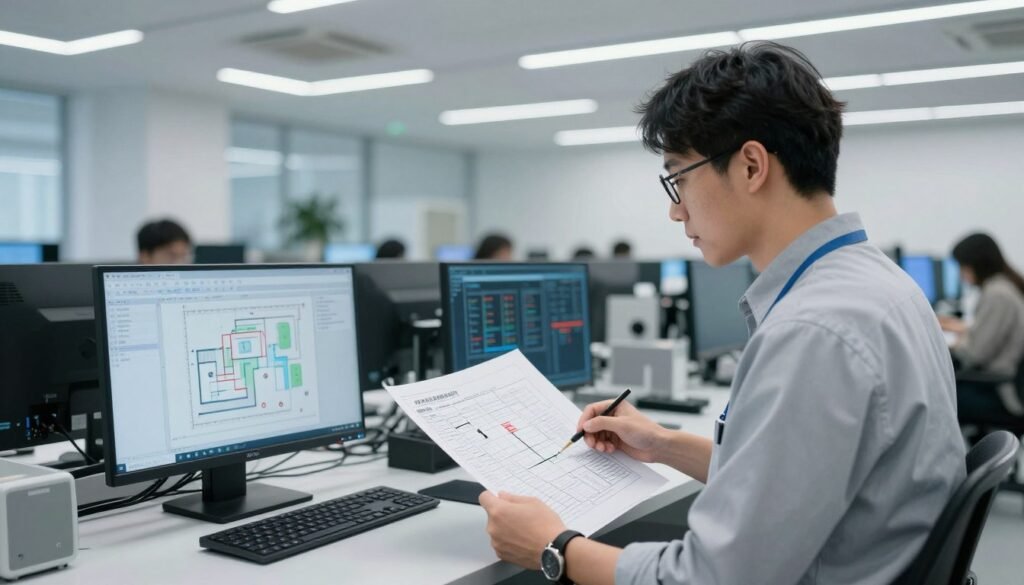
Hardware Buyer Evaluation Checklist
Prior to committing capital to mining machinery, operators must evaluate technical prerequisites across electrical, spatial, and mechanical systems. Systematic review of these operational factors helps avoid unexpected deployment bottlenecks.
- Verify miner hash rate and total power draw against available continuous electrical supply capacity.
- Confirm local electrical utility energy rates and demand charge structures for continuous industrial loads.
- Check cooling method compatibility against existing building structure, ventilation pathways, and physical pad space.
- Record regional peak seasonal ambient temperatures to determine whether air louvers or dry coolers need extra heat rejection capacity.
- Design sufficient ventilation intake and exhaust paths or engineer closed-loop fluid piping schematics.
- Assess site noise tolerance, local zoning noise ordinances, and proximity to surrounding businesses or homes.
- Confirm floor loading capacity and rack layout spacing to accommodate heavy equipment frames and fluid-filled pipes.
- Evaluate in-house technical maintenance capability for handling either fan repairs or hydronic plumbing maintenance.
- Select appropriate coolant mixtures, corrosion inhibitors, and filtration systems for closed-loop fluid lines.
- Install comprehensive thermal, pressure, and electrical monitoring sensors with automated safety shutdown controls.
- Review manufacturer technical documentation, installation manuals, and warranty operating requirements.
- Verify regional availability of replacement parts, including spare fans, control boards, pumps, and quick-connect seals.
- Calculate total capital installation and operating expenses, encompassing electrical switchgear, ducting, and plumbing.
- Ensure full compliance with regional electrical codes, fire safety guidelines, and environmental discharge regulations.
Working through each checklist item establishes clear operational boundaries before hardware arrives on site. Addressing these variables early keeps installation schedules on track.
Cooling Methods and Mining Profitability Realities
A common misconception among new operators is that selecting a specific cooling architecture automatically dictates financial success. Cooling systems are mechanical support tools that manage heat dissipation; they do not alter mathematical network difficulty or block subsidy mechanics.
Neither cooling system guarantees mining profitability, investment returns, or financial recovery timelines. Profitability depends on external factors including power costs, global network hashrate fluctuations, operational uptime, and hardware procurement expenses.
Cooling architecture preserves hardware operational life and maintains chip clock stability, but power rates and network difficulty remain the primary drivers of mining viability.
While hydro cooling allows chips to operate in dense arrangements with stable thermal profiles, the additional capital expenditure for external radiators, manifolds, and pumps must be factored into site planning. Conversely, air-cooled installations require less upfront mechanical plumbing but may incur greater ventilation ducting expenses at scale.
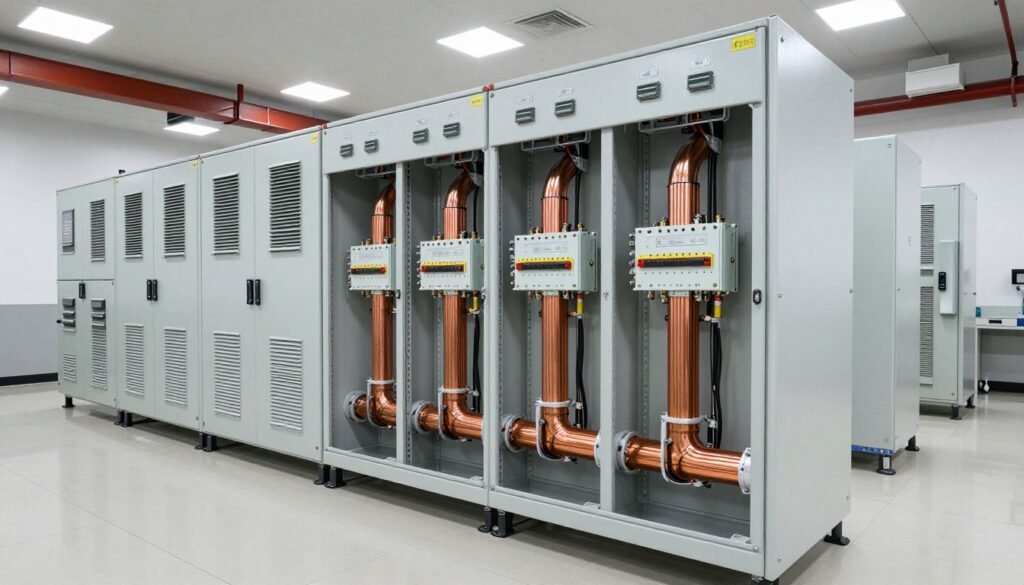
Frequently Asked Questions
What is the difference between an air-cooled and hydro-cooled ASIC miner?
An air-cooled ASIC miner uses high-velocity chassis fans to push ambient air over aluminum heatsinks, venting hot air directly into the room. A hydro-cooled miner circulates liquid through sealed cold plates against the chips, transferring heat into an external closed-loop radiator system without internal fans.
Are hydro-cooled Bitcoin miners more efficient?
Hydro-cooled units offer superior thermal conductivity, which keeps hashing silicon at lower, more uniform operating temperatures. However, overall system electrical efficiency depends on the combined power draw of the mining chips, external circulation pumps, and radiator fans combined.
Are hydro-cooled ASIC miners quieter?
Yes, hydro-cooled chassis operate with virtually no noise inside the server room because they lack high-velocity cooling fans. The remaining acoustic output is generated outdoors by low-speed radiator fans and fluid circulation pumps.
Do air-cooled ASIC miners need special ventilation?
Yes, air-cooled miners produce substantial thermal exhaust that requires high-volume intake louvers and dedicated hot-air extraction fans to prevent heat recirculation. Without structured hot and cold aisle separation, ambient temperatures rise quickly, triggering thermal shutdowns.
Is hydro cooling worth it for a small mining operation?
Hydro cooling often introduces high upfront mechanical complexity and expense for small operations due to the need for external dry coolers, plumbing manifolds, and pumps. Small-scale operators typically favor air-cooled units unless strict acoustic limitations make quiet liquid operation mandatory.
What infrastructure does an Antminer Hydro or WhatsMiner Hydro setup require?
Both hardware lines require external heat rejection equipment such as closed-loop dry coolers, dedicated fluid circulation pumps, supply and return manifolds, and pressure expansion tanks. The facility must also provide treated coolant fluid, leak detection monitoring, and heavy continuous electrical feeds.
Which cooling method is better for hot climates?
Hydro cooling performs more reliably in hot climates because closed liquid loops paired with oversized external dry coolers maintain stable chip temperatures without ingesting hot, dusty air. Air-cooled units struggle in extreme heat because warm intake air limits thermal heat dissipation across heatsinks.
Can cooling determine Bitcoin mining profitability?
Cooling architecture alone does not determine mining profitability or guarantee investment returns. While effective cooling preserves hardware uptime and prevents thermal throttling, profitability is governed by electrical power rates, equipment purchase costs, and Bitcoin network difficulty.
Selecting the Optimal Cooling Architecture
Choosing between air-cooled and hydro-cooled mining hardware requires balancing mechanical infrastructure capabilities against acoustic requirements, physical space, and climate conditions. Air cooling provides accessible modular deployment with straightforward ventilation planning, while hydro cooling enables dense, low-noise operations in challenging environmental settings.
Compare Mining Hardware Options
Explore current Bitcoin mining hardware specifications and evaluate cooling requirements for your planned deployment.