Best Bitcoin ASIC Miner for Home Mining in 2026: What to Consider

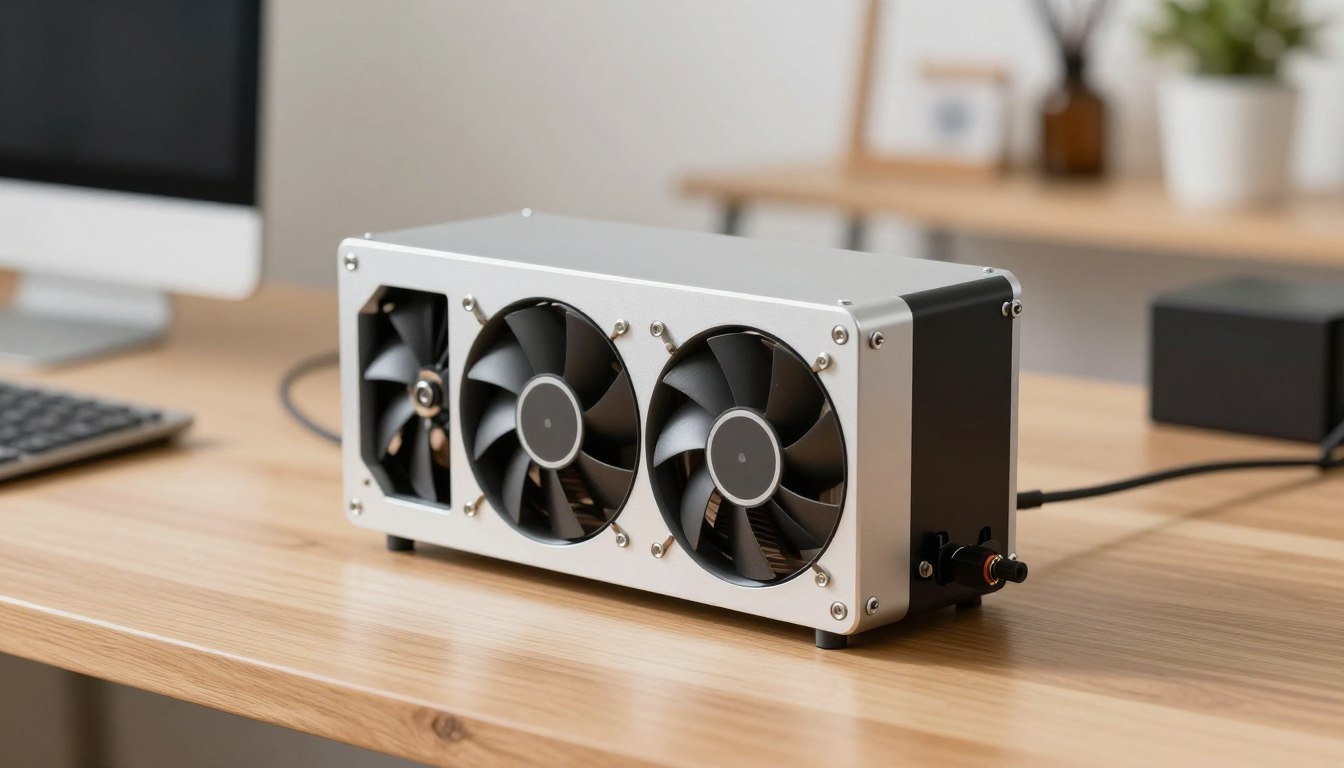
Finding the best Bitcoin ASIC miner for home mining requires balancing compute performance against the physical realities of residential infrastructure. Industrial-grade application-specific integrated circuits generate intense heat, high acoustic output, and substantial electrical draw that standard living spaces cannot support without preparation.
A successful residential deployment prioritizes sound management, thermal exhaust, and circuit safety over headline performance numbers. Evaluating available electrical circuits, local utility rates, and acoustic isolation determines which machine operates safely and steadily within a residential floor plan.
Essential Operating Factors for Residential Mining
An ASIC miner designed for enterprise data centers operates under assumptions that do not match private residences. Evaluating the core physical and electrical demands of cryptocurrency hardware establishes whether a specific model can function inside a home environment.
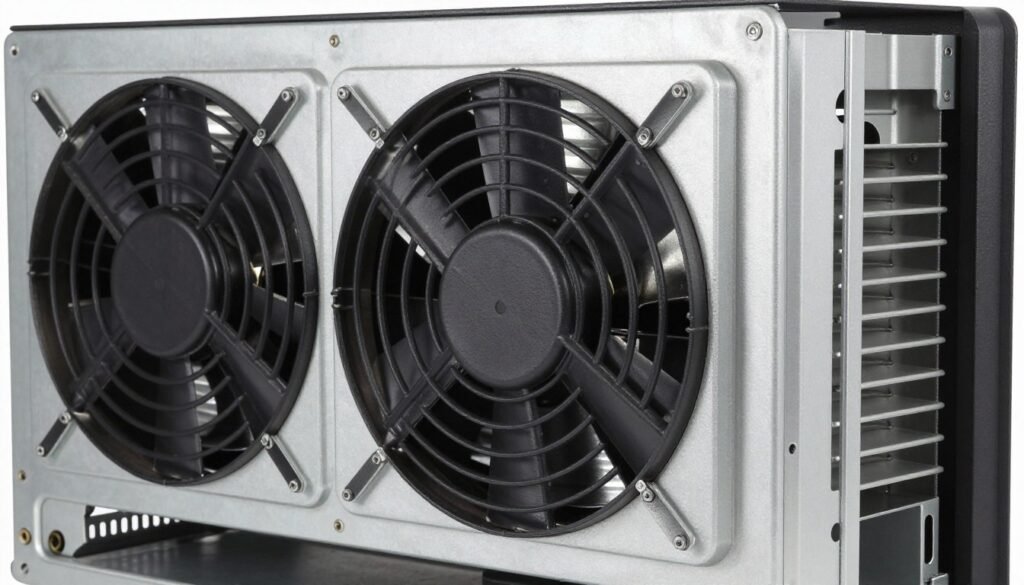
Hardware suitability depends directly on power draw, energy efficiency, and thermal dynamics. Modern units pulling several kilowatts convert nearly all absorbed electricity directly into heat, demanding steady exhaust pathways to prevent thermal throttling. At the same time, high-speed cooling fans create continuous acoustic pressure that penetrates interior walls if left unmitigated.
Network reliability forms the backbone of steady hashing. While mining operations transmit minimal data volume compared to video streaming, they require low-latency, uninterrupted connectivity to submit shares before difficulty windows close. Ethernet cabling provides the required stability, whereas residential Wi-Fi introduces latency spikes and packet loss that undermine mining efficiency.
Acoustic Output
Stock cooling fans spin at thousands of revolutions, generating noise levels comparable to industrial shop vacuums. Residential installations require dedicated acoustic damping, fan shrouds, or sound-insulated enclosures to prevent structural disturbance.
Thermal Exhaust
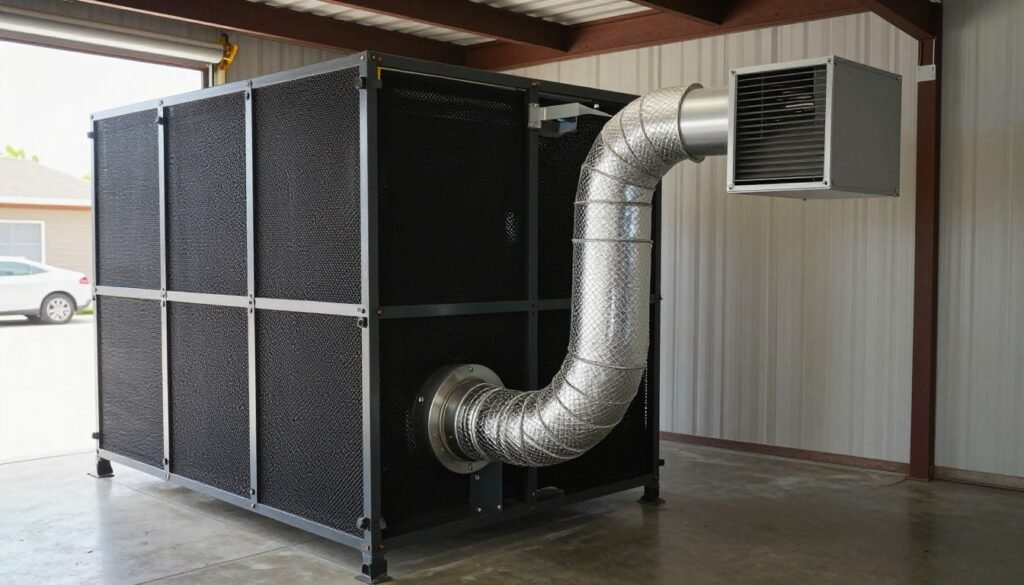
Continuous electrical consumption yields immediate heat that quickly overwhelms domestic HVAC systems. Structured airflow must draw ambient air across the hash boards and discharge hot air outdoors through insulated ductwork.
Network Stability
Direct hardwired Ethernet connections maintain continuous communication with mining pools. Unstable wireless networks cause stale shares and intermittent disconnections that degrade daily operational output.
Why the Highest Hash Rate Is Not Always the Best Residential Choice
Chasing peak compute speed often introduces operational bottlenecks that disrupt domestic environments. High-performance machines demand intense electrical supply and cooling infrastructure that standard residential homes cannot deliver without expensive utility upgrades.
Every additional terahash generated by top-tier models requires incremental electrical wattage, resulting in higher running temperatures and aggressive fan speeds. When high ambient temperatures strike during summer months, top-tier hardware may throttle clock speeds or shut down entirely if the home cooling setup cannot evacuate the thermal load fast enough. A lower-powered, highly efficient unit often delivers superior continuous uptime under constrained residential conditions.
Operating a massive ASIC unit also compresses financial margins if local utility rates are high. Machines drawing maximum wattage quickly accumulate significant utility bills, turning raw computational output into an expensive operational liability when energy rates rise. Balancing energy efficiency against practical noise and heat management yields a far more sustainable residential installation than pursuing raw hashing power alone.
Energy efficiency measured in joules per terahash matters far more than gross hash rate in residential mining. A balanced machine drawing manageable wattage maintains steady operation without overwhelming domestic circuits or demanding extreme ventilation infrastructure.
Evaluating Household Electrical Capacity and Safety
Domestic electrical systems require thorough evaluation before connecting dedicated mining equipment. Standard wall outlets in American living rooms operate on 120-volt lines that cannot accommodate commercial mining hardware safely.
Modern ASIC machines demand 208-volt to 240-volt supply circuits to power their heavy-duty switch-mode power supplies. Furthermore, because cryptocurrency hardware functions around the clock, standard electrical codes treat mining loads as continuous. This regulatory classification requires breakers and wire gauges to handle continuous loads without exceeding rated capacity or risking thermal degradation of the wiring.

Improper wiring, loose connections, or undersized extension cords create severe fire hazards. Dedicated circuits equipped with appropriate commercial receptacles, such as NEMA or IEC connectors, should always be verified by a licensed electrician before powering any equipment. Never run heavy industrial machinery from shared household branch circuits.
Never attempt unauthorized electrical panel modifications or bypass circuit breakers. Always hire a licensed, qualified electrician to inspect service panels, run dedicated heavy-gauge lines, and install code-compliant receptacles for continuous mining loads.
Air-Cooled vs Hydro-Cooled ASIC Miners at Home
Selecting the appropriate cooling methodology defines the installation complexity, acoustic footprint, and spatial layout of a home mining setup. Manufacturers supply machines configured for either direct forced-air ventilation or closed-loop liquid thermal transfer.
Air-cooled units pull ambient air across internal aluminum heat sinks using powerful intake and exhaust fans. These units are self-contained, relatively straightforward to position, and mechanically uncomplicated, but they generate intense acoustic whine and massive concentrated hot-air streams. Directing that thermal output out of windows or utility vents requires sealed inline ducting.
Hydro-cooled hardware replaces internal air fans with integrated water blocks connected to external radiators and pumps. This architecture delivers near-silent indoor operation and superior thermal extraction, making it appealing for residential spaces. However, liquid loops require external heat exchangers, coolant maintenance, plumbing lines, and strict water quality monitoring to avoid corrosion.
- Self-contained design requires no external plumbing or water pumps.
- Lower initial purchase price and simple mechanical components.
- Produces high noise levels that demand acoustic isolation boxes.
- Requires substantial ducting infrastructure to expel hot exhaust outdoors.
Air-Cooled Systems
- Significantly quieter indoor operation due to fanless internal boards.
- Superior thermal transfer allows efficient heat recovery applications.
- Requires external radiators, plumbing manifolds, and fluid circulation.
- Demands regular coolant checks and carries higher initial hardware costs.
Hydro-Cooled Systems
Comparing Leading Bitcoin ASIC Miners
Hardware manufacturers design specific product lines targeting distinct operational tiers across the SHA-256 mining landscape. Bitmain Antminer and MicroBT WhatsMiner represent the primary commercial hardware platforms available to retail buyers.
Evaluating potential hardware requires reviewing published specifications for compute output, continuous power draw, and electrical efficiency. Minor hardware revisions, batch updates, and aftermarket firmware can alter operational figures, making it vital to confirm specific batch details before placing an order.
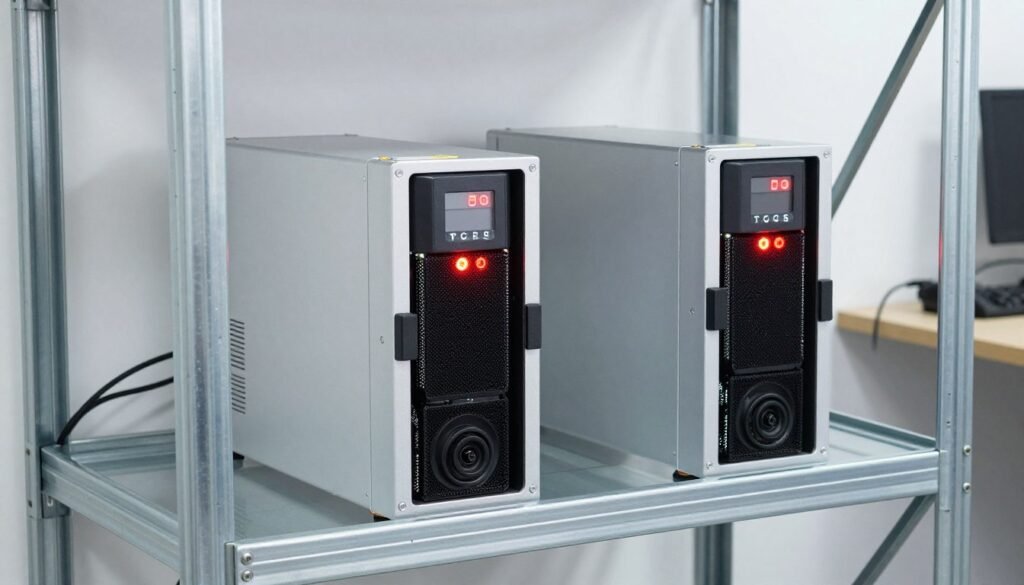
The following table presents published operational specifications for widely recognized mining models, providing a baseline comparison for prospective home operators assessing computational output and infrastructure demands.
| Model Name | Hash Rate | Power Draw | Cooling Method | Acoustic Level | Home Deployment Assessment |
| Antminer S21 | 200 TH/s | 3500 W | Air-Cooled | High | Demands 240V dedicated circuit and exterior exhaust ducting. |
| Antminer S19k Pro | 120 TH/s | 2760 W | Air-Cooled | High | Proven balance of entry pricing and moderate circuit requirements. |
| Antminer S21 Hydro | 335 TH/s | 5360 W | Hydro-Cooled | Low | Requires external radiator installation and heavy electrical supply. |
| WhatsMiner M50 | 118 TH/s | 3422 W | Air-Cooled | High | Robust industrial build that requires garage or basement isolation. |
| WhatsMiner M60 | 170 TH/s | 3383 W | Air-Cooled | High | Excellent efficiency rating suitable for dedicated home workshops. |
| Avalon A1346 | 110 TH/s | 3300 W | Air-Cooled | High | Accessible hardware option requiring standard acoustic containment. |
Purchasing New vs Used Bitcoin Mining Hardware
Deciding between brand-new hardware and secondary-market units involves balancing upfront capital outlay against operational reliability. While pre-owned hardware lowers the initial barrier to entry, it introduces variables concerning operating history and thermal wear.
New machines ship directly from production lines with factory warranty coverage, pristine hash boards, and untouched cooling components. Buyers receive hardware with full projected operating lifespans and verified factory performance metrics, minimizing the likelihood of sudden component failure during early operation.
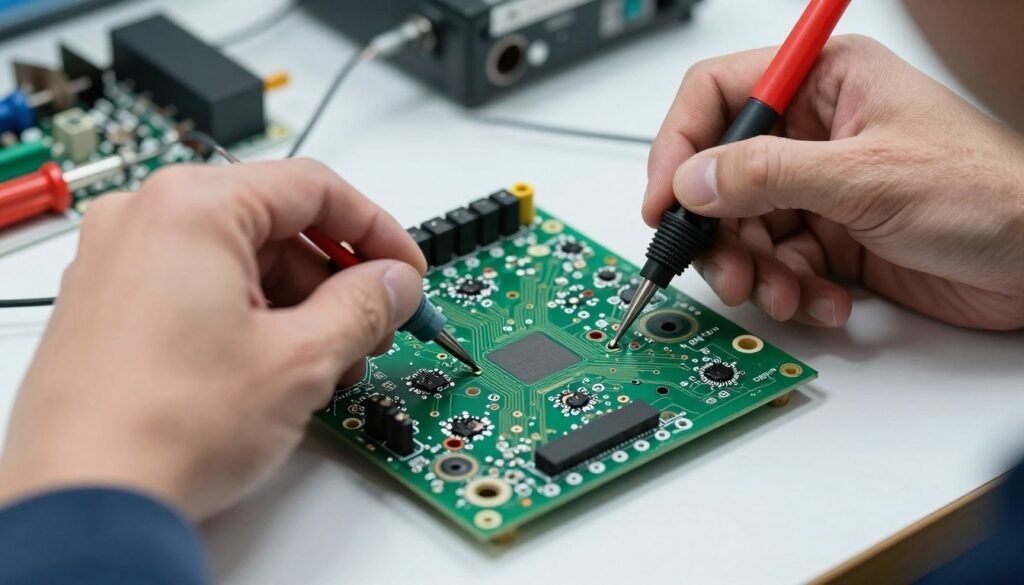
Used machines often originate from decommissioned commercial mining farms. While priced attractively, they may carry accumulated dust, degraded thermal paste, or corrosion from humid operating environments. Purchasing used hardware requires verifying board diagnostics, fan health, and power supply stability prior to purchase.
New Mining Hardware
- Full manufacturer warranty protection and return support.
- Unused components with maximum remaining operating life.
- Clean heat sinks free of dust buildup or corrosive residues.
- Factory-tested power supply units and intact hash boards.
Used Mining Hardware
- Lower purchase price reduces initial capital requirements.
- Higher risk of board degradation and failing cooling fans.
- Limited or expired manufacturer warranty coverage.
- Potential exposure to harsh operating conditions or unstable custom firmware.
Variable Factors in Home Mining Economics
The operational math of residential cryptocurrency mining involves continuously shifting external variables. Computational output does not translate into fixed revenue, and potential operators must avoid assuming steady cash flows.
Electricity cost serves as the single largest ongoing expense in home mining. If residential utility rates exceed operational break-even levels, hardware can run at an ongoing cash deficit regardless of network hash output. Network difficulty adjustments, which occur periodically across the global network, also alter the expected rewards generated per terahash over time.
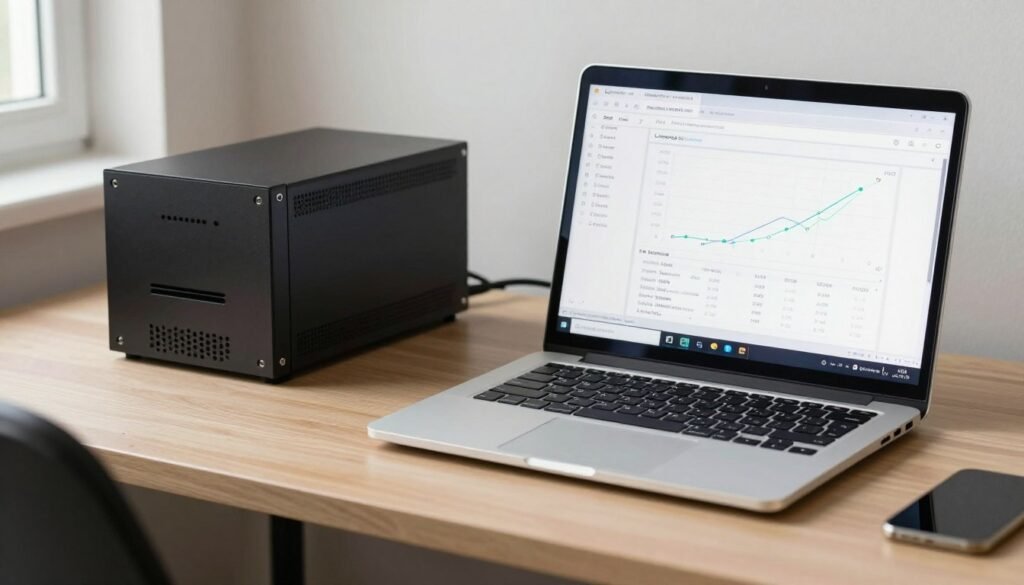
Other operational factors include mining pool fees, firmware stability, local humidity control, and domestic cooling overhead. Local tax obligations related to mined digital assets also impact final net outcomes. Prospective buyers should always run scenarios using real-time electricity rates and conservative network estimates rather than optimistic projections.
Mining economics fluctuate constantly based on network difficulty adjustments, digital asset prices, hardware efficiency, and utility rates. Careful operators analyze ongoing electrical bills and network shifts without assuming fixed returns or guaranteed performance.
What to Check Before Buying a Bitcoin Miner for Home Use
Completing a comprehensive pre-purchase evaluation prevents costly infrastructure mismatches. Walking through physical, electrical, and environmental checks establishes readiness before placing an order.
Verifying space, power, and thermal pathways early ensures the chosen hardware operates smoothly upon arrival. Each factor directly influences whether a machine can run without disrupting household members or tripping residential electrical circuits.
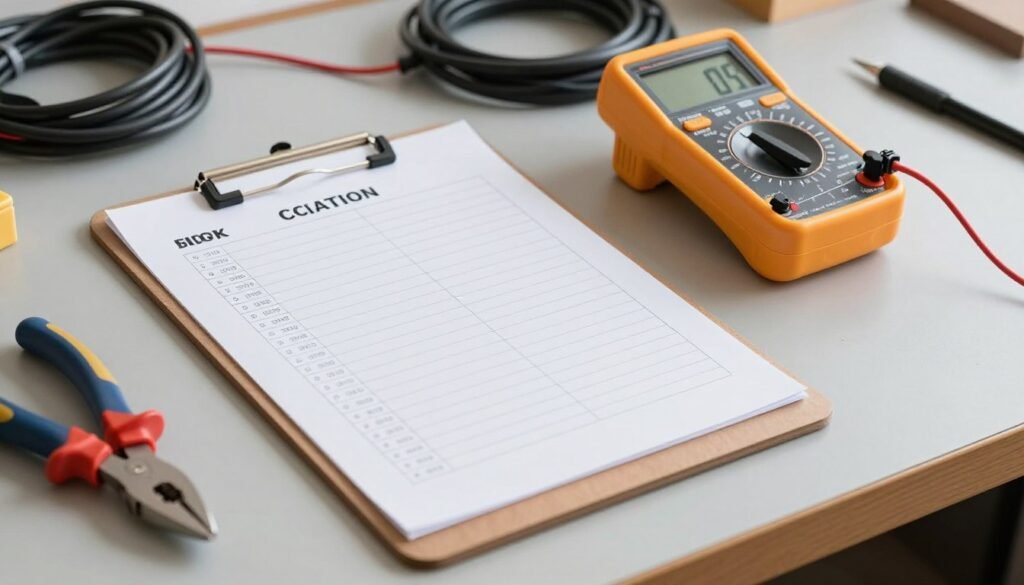
- Verify available electrical capacity, checking panel breakers, line voltage, and continuous load limitations with a qualified electrician.
- Confirm the energy efficiency rating and total wattage of the intended model relative to your household utility rates.
- Establish a dedicated physical location that provides adequate acoustic isolation from bedrooms and primary living quarters.
- Design a continuous ventilation pathway with intake openings and ducted hot-air exhaust directing heat outside.
- Ensure access to a stable, hardwired Ethernet network drop near the proposed equipment mounting location.
- Confirm whether the hardware is new or pre-owned, reviewing warranty terms, return policies, and seller reputation.
- Check connector types, power cord compatibility, and required receptacle standards for the unit power supply.
- Calculate current operating expenses based on actual residential electric rates and variable network difficulty levels.
Frequently Asked Questions
What is the best Bitcoin ASIC miner for home mining?
The best Bitcoin ASIC miner for home mining is one that balances high energy efficiency with manageable electrical draw and realistic cooling requirements for residential spaces. Models like the Antminer S21 or S19k Pro provide strong computational efficiency, while hydro-cooled units suit environments requiring minimal acoustic impact.
Can you mine Bitcoin at home with an Antminer?
Yes, mining Bitcoin at home with an Antminer is possible provided appropriate electrical and thermal infrastructure is established. Standard installations require dedicated 240-volt circuits, sound-dampening enclosures, and ducted ventilation to exhaust heat outside the home safely.
How much electricity does a Bitcoin mining machine use?
Modern commercial Bitcoin ASIC machines typically draw between 2,500 and 5,500 watts of continuous electrical power depending on the model and operating mode. This heavy continuous load requires dedicated high-voltage wiring and substantial daily utility consumption.
Are Bitcoin ASIC miners too loud for a home?
Stock air-cooled ASIC miners generate significant noise, often reaching acoustic levels similar to loud power tools or shop vacuums. Without acoustic isolation boxes, specialized mufflers, or basement containment, air-cooled machines are generally too loud for standard living areas.
Is an air-cooled or hydro-cooled Bitcoin miner better for home use?
Air-cooled units are simpler to install and maintain because they require no plumbing, making them popular for garages or workshops with direct ventilation. Hydro-cooled units offer quiet indoor operation but demand external radiator loops and regular fluid maintenance.
What is the difference between Antminer and WhatsMiner?
Bitmain Antminers generally emphasize cutting-edge energy efficiency per terahash across various cooling form factors. MicroBT WhatsMiners are widely recognized for heavy-duty aluminum chassis construction, integrated power supply resilience, and consistent stability in demanding environments.
Should I buy a new or used ASIC Bitcoin miner?
Buying new hardware provides factory warranty coverage, pristine components, and maximum operational life, which reduces troubleshooting risks. Used miners cost less upfront but require careful diagnostic testing to evaluate board health, fan wear, and past thermal stress.
Is home Bitcoin mining profitable?
Home mining outcomes depend heavily on local electric rates, hardware energy efficiency, global network difficulty, and market prices. Low utility rates and well-maintained hardware improve operating viability, but returns fluctuate constantly and are never predetermined.
Practical Next Steps for Home Mining
Operating a Bitcoin miner at home succeeds when infrastructure planning precedes hardware selection. Reviewing electrical capacity, designing reliable thermal ventilation, and selecting efficient models from Bobbie Hash Matrix helps create a safe, durable residential setup.
Plan Your Home Mining Setup
Examine electrical panel headroom and measure ventilation pathways before choosing hardware. Aligning hardware wattage with household infrastructure creates a safe, reliable domestic mining installation.